Simple Ways to Make Every Day Better
Featuring Pecan Pie & Blueberry Biscuit — The Camp Kitties ️
As pet parents, we all want our dogs and cats to live long, joyful lives — full of comfort, curiosity, and connection. “Quality of life” isn’t just about good health or the absence of pain. It’s about creating moments that make tails wag and whiskers twitch.
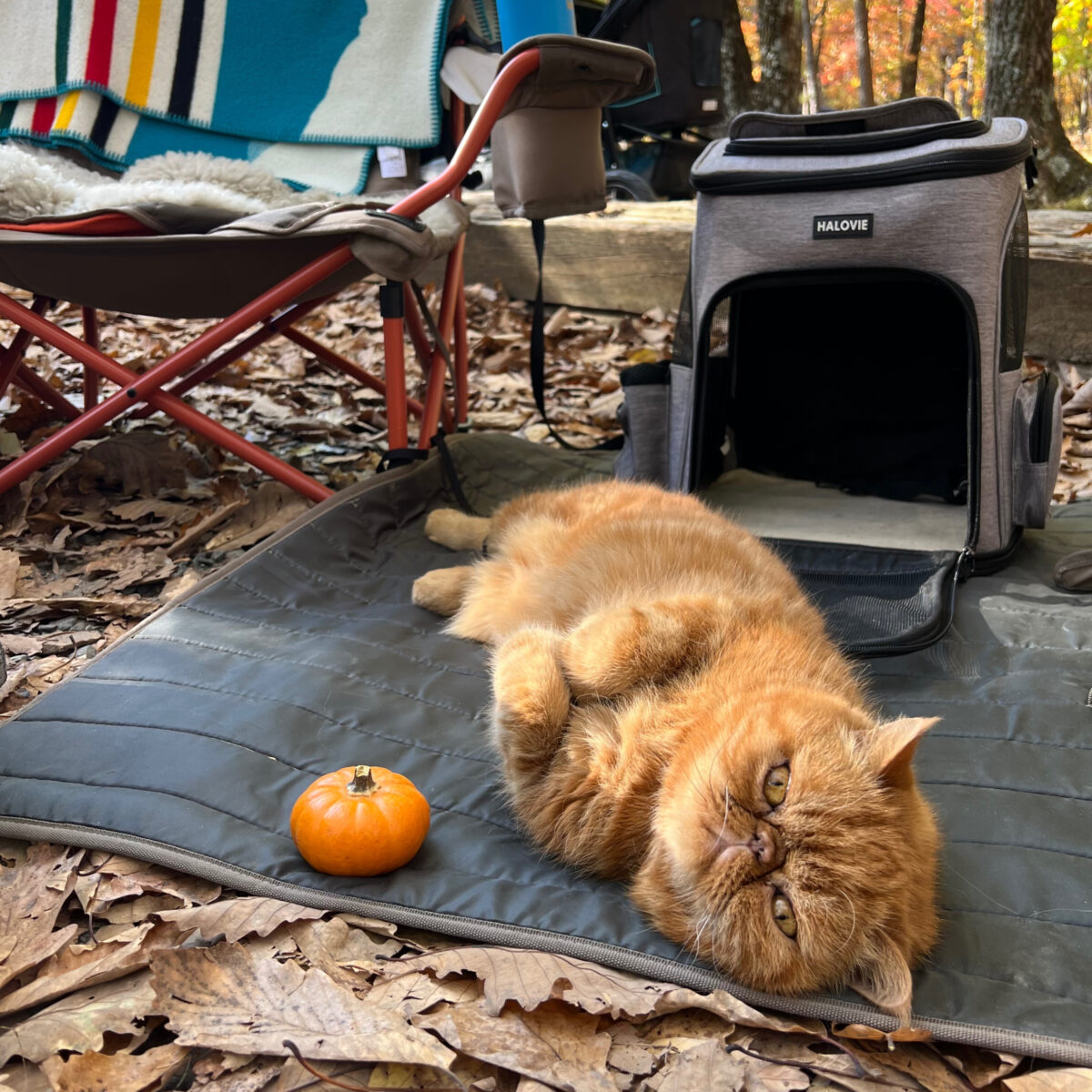
Recently, my two cats — Pecan Pie and Blueberry Biscuit, affectionately known as the Camp Kitties — joined me on a little camping trip. Watching them explore the great outdoors reminded me how simple enrichment can deeply enhance our pets’ well-being.
1. Enrichment is About Joy, Not Just Toys
Enrichment means offering experiences that engage your pet’s natural instincts — exploring, sniffing, climbing, or simply resting in a new space.
For cats: set up a screened porch tent or window hammock where they can watch birds, listen to crickets, or feel the breeze.
For dogs: vary your walking routes, let them choose the direction sometimes, or hide treats for a little “sniffari.”
At Camp Kitties headquarters (our cozy tent!), Pecan Pie inspected every pinecone while Blueberry Biscuit claimed the softest blanket by the fire. Both were fully present — and that’s what enrichment is: being in the moment.
2. Engage Their Senses
Nature is the world’s best sensory experience.
Smells of pine and earth, the crackle of a fire, the soft rustle of leaves — it’s all enrichment.
At home, try:
- Scented herbs in a pot (cat-safe ones like rosemary or catnip)
- For dogs, a rotating “sniff mat” with new smells (lavender, mint, or treats hidden inside)
- Play gentle sounds of rain or birds for calm days indoors
The Camp Kitties spent hours simply sniffing the breeze — proof that the simplest enrichment can bring the biggest joy.
3. Keep Minds Busy and Hearts Happy
Mental stimulation is as important as physical activity.
Interactive toys, food puzzles, and training games prevent boredom and support emotional health.
Quick ideas:
- Hide kibble in rolled towels or boxes
- Create a “camp scavenger hunt” indoors
- Rotate favorite toys weekly for novelty
- Teach new cues like “touch” or “spin”
At Camp Kitties HQ, even the zipper pull on the tent became a fascination. When pets problem-solve, their confidence grows — and that’s a beautiful thing to watch.
4. Rest is Enrichment, Too
During our camping trip, I noticed something sweet: between bursts of curiosity, the Camp Kitties curled up and rested deeply.
Sometimes, enrichment means simply giving your pet permission to pause.
Create cozy, safe spaces at home — soft blankets, a sunny window ledge, or a quiet corner free from household noise. Rest helps pets recharge and process all that new stimulation.
5. Quality of Life is Connection
At the heart of it all, enrichment is love in action.
Every cuddle, gentle word, shared adventure, or moment of stillness strengthens the bond we share.
Quality of life isn’t measured in days — it’s measured in the joy within those days.
Whether it’s a car ride, a slow walk, or a cat nap under the stars, our pets remind us: the simple things are the most profound.
From the Camp Kitties’ Corner:
Pecan Pie: “Camping is basically enrichment… with snacks.”
Blueberry Biscuit: “I prefer five-star tent service and a mountain view.”
However you spend your time together — at home or under the stars — know that your love and presence are the best enrichment your pet will ever have.
From the campsite of Dr. Holland and the Camp Kitties