A Gentle Spring Reminder

A Gentle Spring Reminder: Hidden Toxins in the Yard

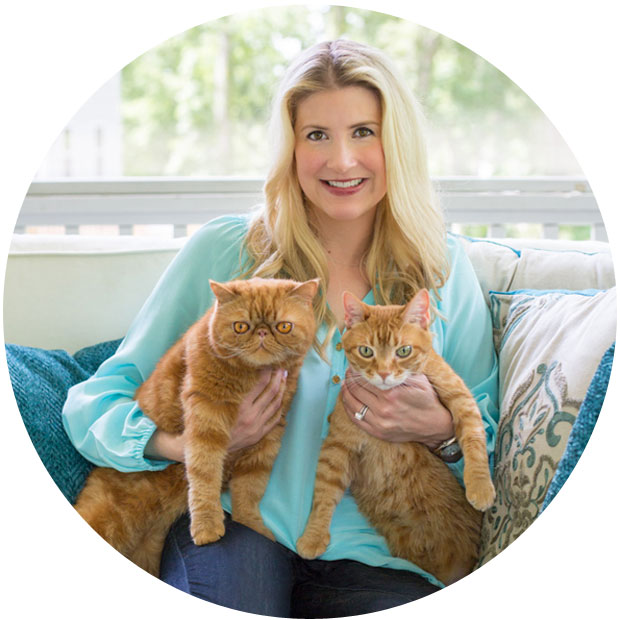
Dr. Azure Holland

As the season shifts, a quiet awareness can help keep your pet safe in the places they love most.

As the weather warms, many families begin spending more time outdoors—opening windows, walking barefoot in the grass, and inviting their pets to enjoy the season alongside them.

For many dogs and cats, the yard is a place of comfort, exploration, and routine. But spring also brings subtle environmental changes that are easy to overlook. Some exposures are not dramatic.
They are quiet, everyday interactions—often introduced with the best of intentions.

This is not a reason for alarm.
But it is a reason for awareness.


Lawn Treatments & Residue

Fertilizers, herbicides, and pesticides are especially common this time of year.

Even when labeled “pet-safe,” these products can still cause irritation or illness depending on:

  • how recently they were applied
  • how much residue remains
  • how your pet interacts with the space

Dogs who lick their paws after being outside, and cats who groom meticulously, may ingest small amounts without it being obvious.

A gentle, practical rhythm for spring:

  • allow treated areas to fully dry before access
  • wipe paws after time outdoors
  • and for pets who love to roll or lie in the grass, consider gently wiping down their coat with a non-toxic, fragrance-free pet wipe

This is especially helpful for:

  • long-haired pets
  • pets with environmental allergies
  • and those who enjoy full-body contact with the lawn

Plants, Pollen & Sensitivities

Spring plantings can introduce both toxicity risks and allergic responses, which can look different depending on the pet.

Cats:

  • highly sensitive to environmental exposures due to grooming habits
  • may show subtle signs such as decreased appetite, hiding, or quiet behavioral changes

Dogs:

  • more likely to experience allergic reactions from grasses and pollens
  • common signs include:
    • licking or chewing paws
    • red or irritated skin (especially belly, armpits, ears)
    • watery eyes or mild congestion

Shared plant risks (dogs & cats):

  • azaleas
  • tulips and daffodil bulbs
  • sago palms

If your pet tends to graze, dig, or carry plants in their mouth, a quick seasonal scan of your yard can be very helpful.

A Special Note for Cat Families: Lilies

Within the broader category of spring plants, there is one exposure that deserves to be named clearly and with care:

Lilies are extremely toxic to cats.

Even very small exposures can be dangerous, including:

  • brushing against pollen and grooming it off later
  • drinking water from a vase containing lilies
  • chewing a leaf or petal

This is one of the few plant exposures where even minimal contact can lead to severe illness.

Because lilies are so commonly included in:

  • spring bouquets
  • holiday arrangements
  • and well-meaning floral gifts

…it is worth being especially mindful of what enters the home this time of year.

For cat households, the safest approach is simply:
to avoid lilies entirely, both indoors and outdoors.

Insect & Pest Control: A Closer Look

Warmer weather brings increased use of pest control products, often placed in areas pets can easily access.

Common concerns include:

  • slug and snail bait (often flavored and highly toxic)
  • ant and roach baits
  • mosquito yard sprays and foggers
  • flea/tick yard treatments

These may be found:

  • along garden borders
  • near foundations
  • under decks or shaded areas

Some are designed to attract pests—meaning they may also attract pets.

A few thoughtful considerations:

  • avoid placing bait in areas your pet can reach
  • be cautious with shared outdoor spaces (neighbors may be using products you’re unaware of)
  • after professional yard treatments, ask specifically about pet re-entry timing
  • and when possible, ask your lawn or pest control specialist about timing and organic or pet-conscious alternatives

This small step can help align your yard care

with your pet’s safety—without sacrificing effectiveness.

Standing Water, Runoff &

Safer Alternatives

Spring rains often create puddles or areas of runoff that collect:

  • lawn chemicals
  • bacteria
  • organic debris

Dogs are especially drawn to these water sources, even when fresh water is available.

A simple, supportive alternative:
Offer a dedicated outdoor water source for your pet.

This might look like:

  • a clean, shaded water bowl refreshed daily
  • a heavy, tip-resistant dish in a familiar outdoor resting area
  • a designated hydration space during time outside

When pets have access to fresh, appealing water, they are far less likely to seek out puddles or runoff.

A Thoughtful Approach

to Outdoor Time

None of this means your pet should avoid the outdoors.

In fact, time outside—when comfortable and safe—can be deeply enriching.

Instead, the goal is a gentle awareness:

  • noticing what has changed in your environment
  • understanding your pet’s unique sensitivities
  • and supporting their natural behaviors with small, intentional care

Wiping paws.
Gently wiping the coat after rolling in the grass.
Offering clean water.

These are simple acts—but they create a meaningful layer of protection.

Keeping Spring Soft

Spring invites us back into the world—into warmth, light, and connection.

With just a bit of intention, it can remain a season that feels as peaceful and safe as it looks.

And if you ever find yourself unsure—whether something your pet encountered may be concerning—it is always appropriate to reach out.

A quiet question, asked early, can often prevent something more urgent later.


Spring has sprung

Spring has sprung… and we have concerns 🌸🐾

Oh hiiii frens,

It is officially SPRING which means the birds are birding, the squirrels are squirreling, and the sunbeams are simply… exquisite.

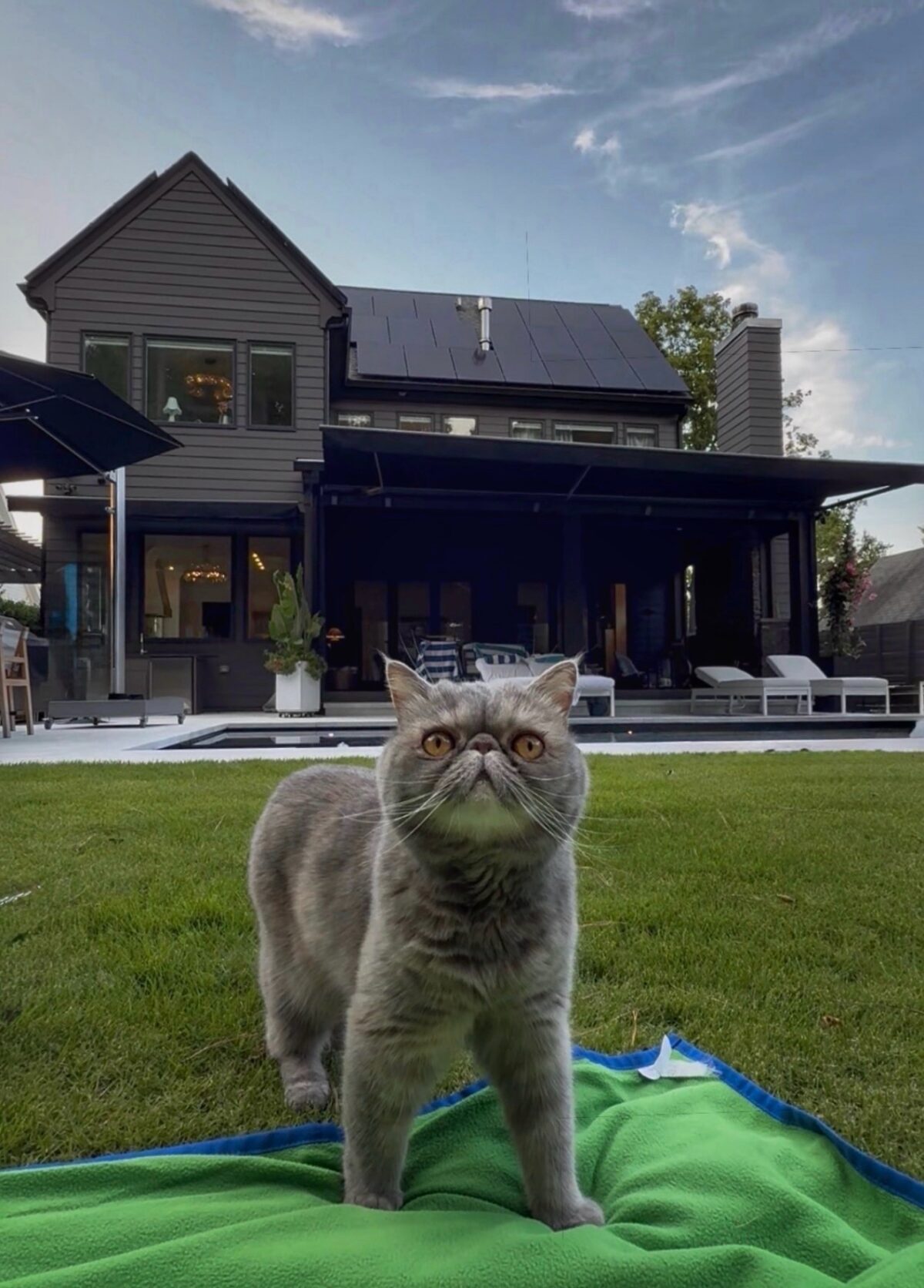
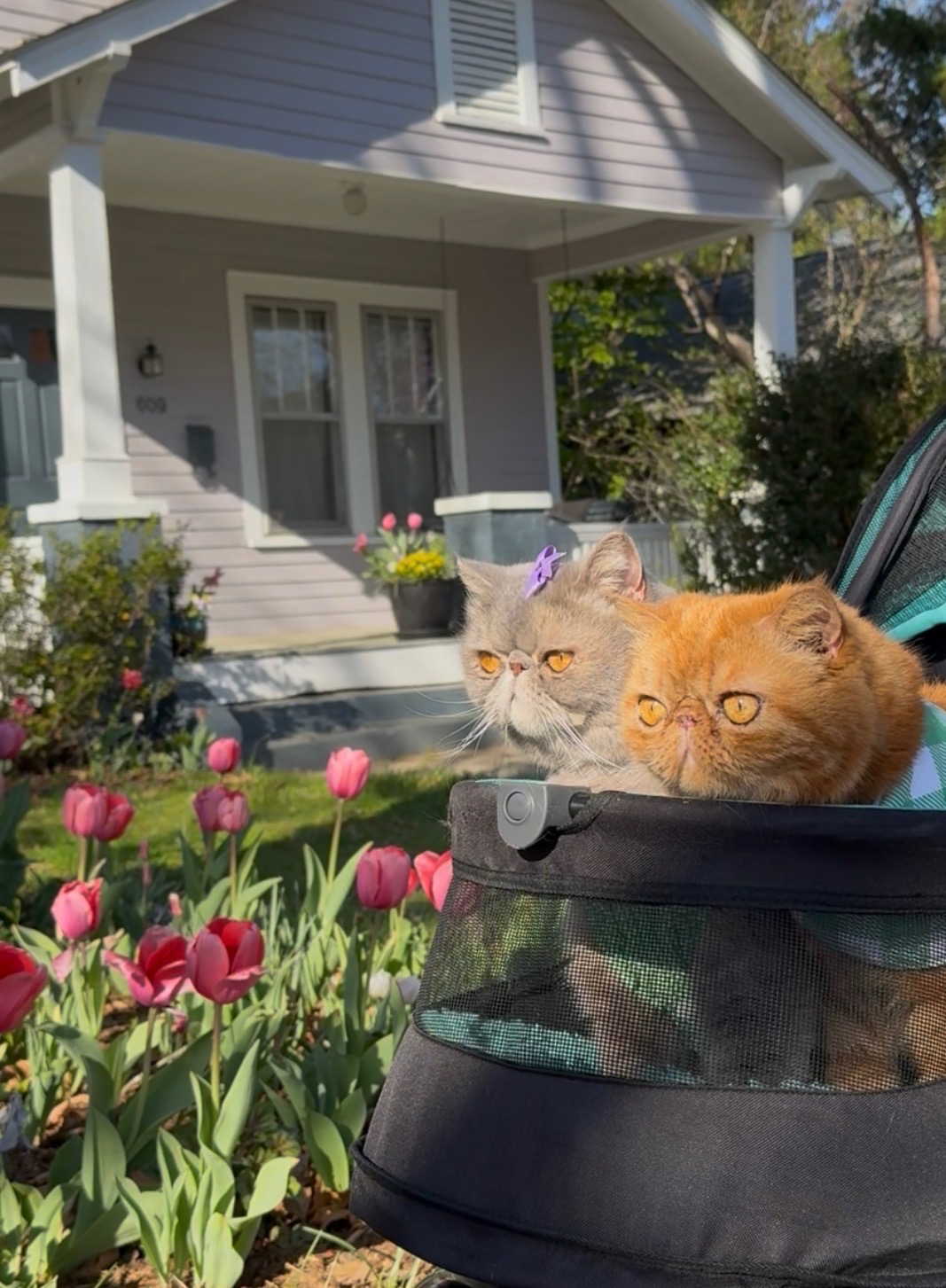
We have been very busy supervising the outdoors from our stroller and window perches. Pecan Pie has been monitoring the pollen levels (very high, very offensive), and Lady Blue has been evaluating the overall vibe of the neighborhood.

And while everything looks very magical out there…
we feel it is our duty as tiny, beautiful professionals to let you know:


Not everything in the yard is as safe as it looks.

There are things that smell interesting… taste interesting… and are, quite frankly, rude to the body.


We are talking about:

  • sneaky plants
  • suspicious lawn treatments
  • mysterious puddles (absolutely not, do not drink dis)

So before your dog goes full goblin mode in the grass…
or before someone (Pecan Pie) tries to nibble a “forbidden leaf (dis is not allowed)”…

We asked our mom, Dr. Holland, to explain everything in a calm, very intelligent, very non-chaotic way.

Because spring should feel soft and beautiful…
not like an emergency.

Please enjoy the outdoors responsibly,
and remember:

just because it is outside does not mean you should put it in your mouth (we are still learning dis).

Stay safe out there,
and avoid disobedience,

xo,
Pecan Pie & Blueberry Biscuit 🫐🥧

When Love Guides the Way: Recognizing Pet Cancer and Knowing When It’s Time

Each November during Pet Cancer Awareness Month,

we pause to honor the pets and families who have walked this difficult road. Cancer is something no pet parent ever wants to face, yet it’s more common than many realize — especially as our companions live longer, fuller lives.

At Azure Holland, we’ve helped many families navigate this journey — from the first signs of illness to the most tender goodbye. Understanding what to look for, and when to focus on comfort, can make an major difference in your pet’s quality of life.


Recognizing the Subtle Signs:

Cats and dogs can be masters at hiding discomfort. Often, early symptoms of cancer are gentle whispers rather than loud alarms.
Here are some of the signs we encourage families to watch for:

  • Unexplained weight loss or changes in appetite
  • New lumps or bumps, or changes in existing ones
  • Persistent coughing or difficulty breathing
  • Lethargy or decreased interest in play
  • Limping, stiffness, or reluctance to move
  • Changes in bathroom habits
  • Unusual odors, bleeding, or discharge

None of these automatically mean cancer — but they are invitations to check in with your veterinarian. Early detection can sometimes open doors to treatment options or simply give you time to prepare and plan for your pet’s comfort.

Focusing on Quality of Life

A diagnosis of cancer is never just medical — it’s emotional, too. It’s natural to want to “fix” things for the ones we love, but sometimes the most compassionate choice is to shift from curing to caring.

Ask yourself gentle questions:

  • Is my pet still finding joy in their favorite things?
  • Are they eating, purring, wagging, or greeting us as they used to?
  • Are their good days still outnumbering the hard ones?

These reflections help you tune into your pet’s needs — and guide decisions with love rather than fear.

When It’s Time to Say Goodbye

There comes a moment when medical treatment may no longer bring comfort. This is where end-of-life care — hospice and at-home euthanasia — can provide peace and dignity. Saying goodbye in the comfort of home, surrounded by family, allows pets to rest where they feel safest.

At Azure Holland, we believe this transition can be both gentle and sacred. It’s a time to slow down, wrap them in love, and honor every memory made together. Whether it’s a quiet goodbye on the porch, a final car ride, or one last cheeseburger picnic in the backyard — these moments matter.

You Are Not Alone

Facing a pet’s cancer journey can feel overwhelming, but you don’t have to walk it alone. Our team is here to guide you — with empathy, clarity, and compassion — from diagnosis to goodbye and beyond.

Because every life deserves dignity.
And every goodbye deserves grace.


Pet Quality of Life Guide

If your pet has been diagnosed with cancer and you’re unsure how to move forward,

reach out for an end-of-life consultation.

Together, we’ll explore your options for comfort care and support you in making the decisions that feel right for your family.


Pet Enrichment & Quality of Life

Simple Ways to Make Every Day Better

Featuring Pecan Pie & Blueberry Biscuit — The Camp Kitties

As pet parents, we all want our dogs and cats to live long, joyful lives — full of comfort, curiosity, and connection. “Quality of life” isn’t just about good health or the absence of pain. It’s about creating moments that make tails wag and whiskers twitch.

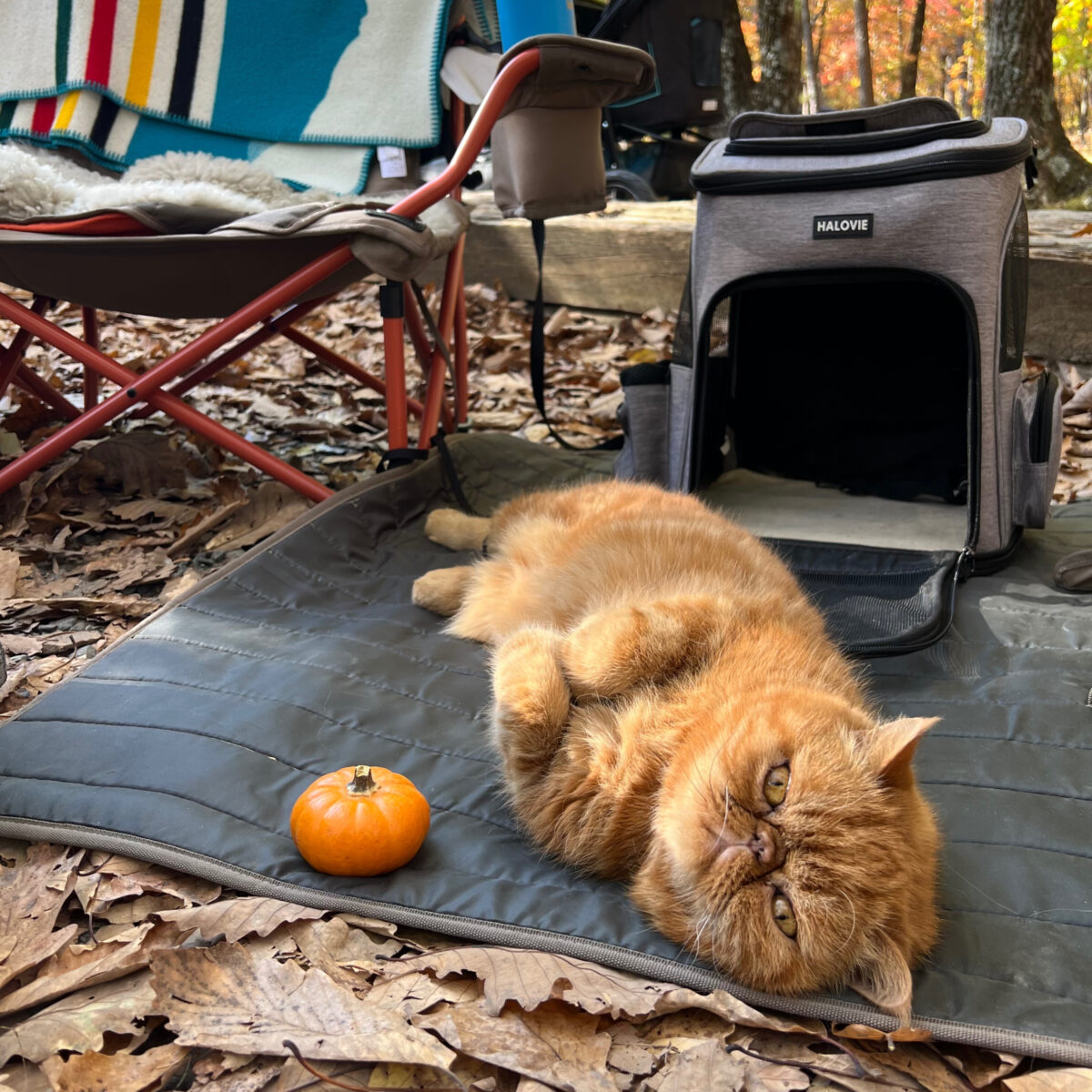
Recently, my two cats — Pecan Pie and Blueberry Biscuit, affectionately known as the Camp Kitties — joined me on a little camping trip. Watching them explore the great outdoors reminded me how simple enrichment can deeply enhance our pets’ well-being.

1. Enrichment is About Joy, Not Just Toys

Enrichment means offering experiences that engage your pet’s natural instincts — exploring, sniffing, climbing, or simply resting in a new space.

For cats: set up a screened porch tent or window hammock where they can watch birds, listen to crickets, or feel the breeze.

For dogs: vary your walking routes, let them choose the direction sometimes, or hide treats for a little “sniffari.”

At Camp Kitties headquarters (our cozy tent!), Pecan Pie inspected every pinecone while Blueberry Biscuit claimed the softest blanket by the fire. Both were fully present — and that’s what enrichment is: being in the moment.

2. Engage Their Senses

Nature is the world’s best sensory experience.
Smells of pine and earth, the crackle of a fire, the soft rustle of leaves — it’s all enrichment.

At home, try:

  • Scented herbs in a pot (cat-safe ones like rosemary or catnip)
  • For dogs, a rotating “sniff mat” with new smells (lavender, mint, or treats hidden inside)
  • Play gentle sounds of rain or birds for calm days indoors

The Camp Kitties spent hours simply sniffing the breeze — proof that the simplest enrichment can bring the biggest joy.

3. Keep Minds Busy and Hearts Happy

Mental stimulation is as important as physical activity.
Interactive toys, food puzzles, and training games prevent boredom and support emotional health.

Quick ideas:

  • Hide kibble in rolled towels or boxes
  • Create a “camp scavenger hunt” indoors
  • Rotate favorite toys weekly for novelty
  • Teach new cues like “touch” or “spin”

At Camp Kitties HQ, even the zipper pull on the tent became a fascination. When pets problem-solve, their confidence grows — and that’s a beautiful thing to watch.

4. Rest is Enrichment, Too

During our camping trip, I noticed something sweet: between bursts of curiosity, the Camp Kitties curled up and rested deeply.

Sometimes, enrichment means simply giving your pet permission to pause.

Create cozy, safe spaces at home — soft blankets, a sunny window ledge, or a quiet corner free from household noise. Rest helps pets recharge and process all that new stimulation.

5. Quality of Life is Connection

At the heart of it all, enrichment is love in action.
Every cuddle, gentle word, shared adventure, or moment of stillness strengthens the bond we share.

Quality of life isn’t measured in days — it’s measured in the joy within those days.
Whether it’s a car ride, a slow walk, or a cat nap under the stars, our pets remind us: the simple things are the most profound.

From the Camp Kitties’ Corner:

Pecan Pie: “Camping is basically enrichment… with snacks.”

Blueberry Biscuit: “I prefer five-star tent service and a mountain view.”

However you spend your time together — at home or under the stars — know that your love and presence are the best enrichment your pet will ever have.

From the campsite of Dr. Holland and the Camp Kitties