Does In-Home Pet Euthanasia Cost More?

When you are facing the loss of a beloved pet, cost can feel difficult to ask about. It is a reasonable and important question, and we want you to feel comfortable discussing it with us.

In-home pet euthanasia may cost more than an appointment at a veterinary hospital. The difference reflects the veterinarian’s travel, the preparation involved, and time reserved specifically for your pet and family. It also includes the guidance our team provides before, during, and after saying goodbye.

At Azure Holland, we support families throughout Raleigh, Durham, Chapel Hill, and surrounding Triangle communities with compassionate end-of-life care for dogs and cats.

Why Families Choose to Say Goodbye at Home

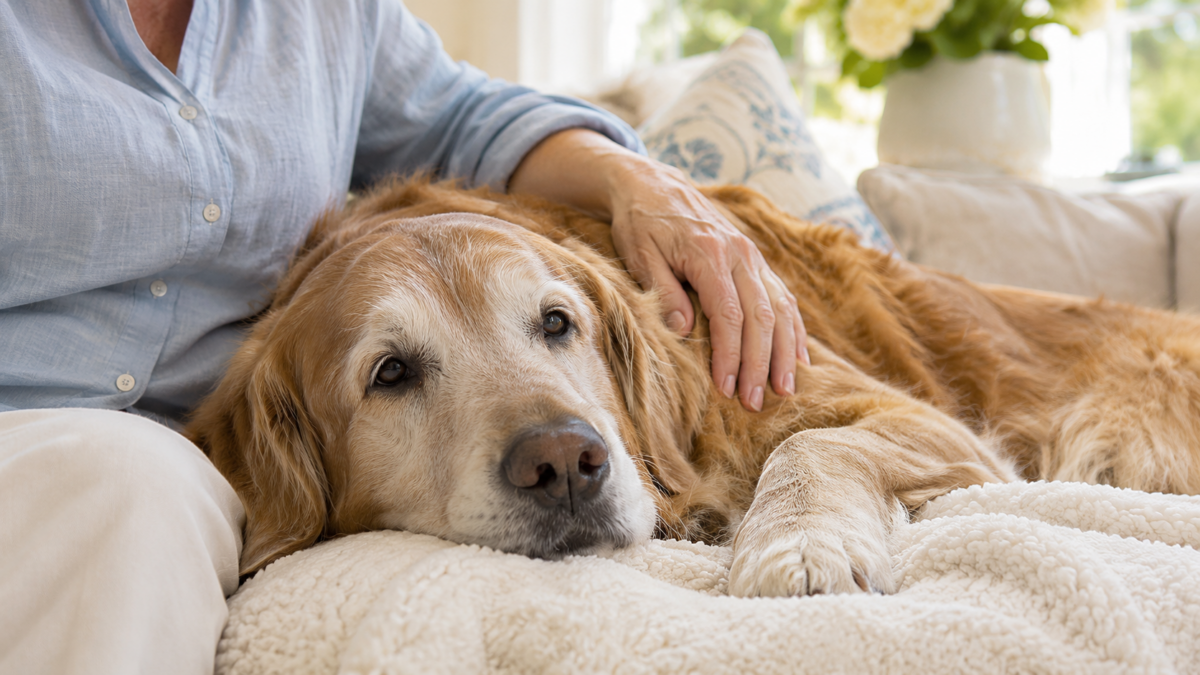
For many families, the comfort of being at home is in the small things: their dog resting in a favorite spot, their cat avoiding a stressful carrier ride, or loved ones gathering somewhere familiar. For a pet who is painful, anxious, or having difficulty moving, avoiding the trip to a hospital can also bring comfort.

During your appointment, your veterinarian will explain each step, answer your questions, and provide gentle sedation to help your companion relax. If you choose Private or Communal Care, our team also coordinates arrangements through an aftercare provider, typically the one closest to your location. Having someone guide you through these details can ease some of the weight during an emotional time.

Choosing an Appointment Length

Our typical in-home pet euthanasia appointment lasts about an hour, allowing time to talk with your veterinarian, help your companion settle comfortably, and say goodbye. We also understand that some families prefer a shorter goodbye, and some companions are ready to rest, making a shorter visit appropriate for their needs.

Our 30-minute appointment offers a gentle, compassionate experience for these families, while a 90-minute visit is available for those who would like additional time. Whatever length you choose, your veterinarian will allow the time your companion needs to respond to sedation and remain comfortable.

Support Before and After Your Pet’s Passing

Our team is trained in grief and pet loss support. We understand that grief often begins before a pet’s passing and continues long after the appointment. Whether you are preparing for goodbye, wondering how to talk with your children, or struggling with the quiet afterward, we can listen and help connect you with resources before and after your visit.

Our phone, virtual, and in-home consultations offer an added layer of support for families who need more dedicated guidance. These visits and conversations provide space to discuss your pet’s quality of life, changes in comfort, and what may come next, helping you feel more informed as you consider decisions.

Understanding In-Home Euthanasia Costs

Our in-home euthanasia appointments are available in 30-, 60-, and 90-minute options, allowing families to choose the time that best supports their needs and their companion’s comfort.

Our team will talk through your location, aftercare preferences, and appointment timing, help you select an appropriate visit length, and explain what to expect so you feel informed and supported.

Saying goodbye at a veterinary hospital can also be a loving, compassionate choice. What matters is finding care that supports your pet’s comfort and feels manageable for your family.

You do not need to have everything figured out before reaching out. Call or text our team at 919-600-1841 to start the conversation. We can listen to what you are noticing, answer your questions, and help you understand your options.

Explore our Care Options & Consultations.

We’re Heading to NCVC! 🩵🐾

I’m so excited to share that Azure Holland will be exhibiting at the North Carolina Veterinary Conference (NCVC), November 6–7!

This is our first year attending as an exhibitor, and I’m thrilled to have the opportunity to support the North Carolina Veterinary Medical Association while connecting with colleagues from across our veterinary community.

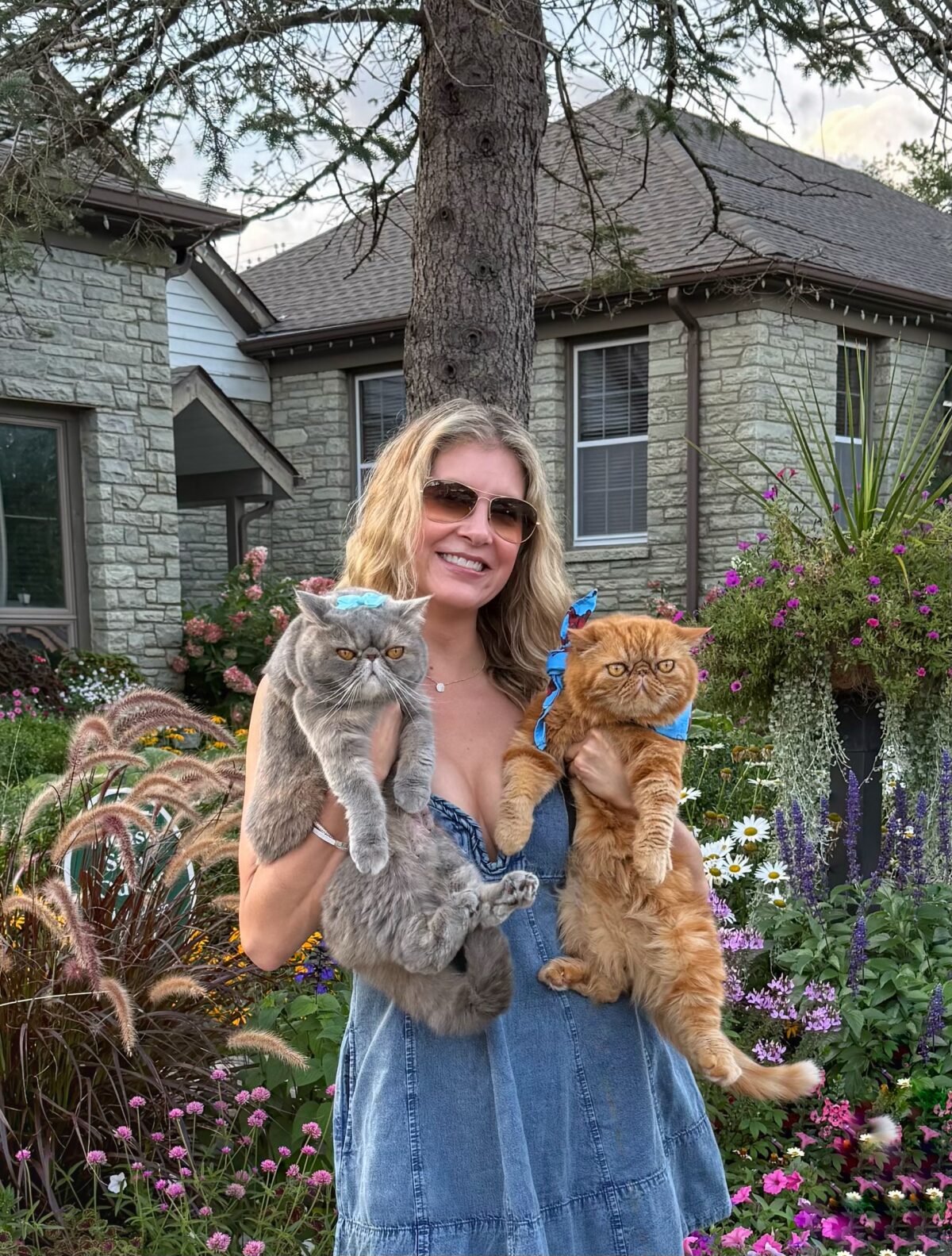
And of course, I’m bringing two very special members of the team…

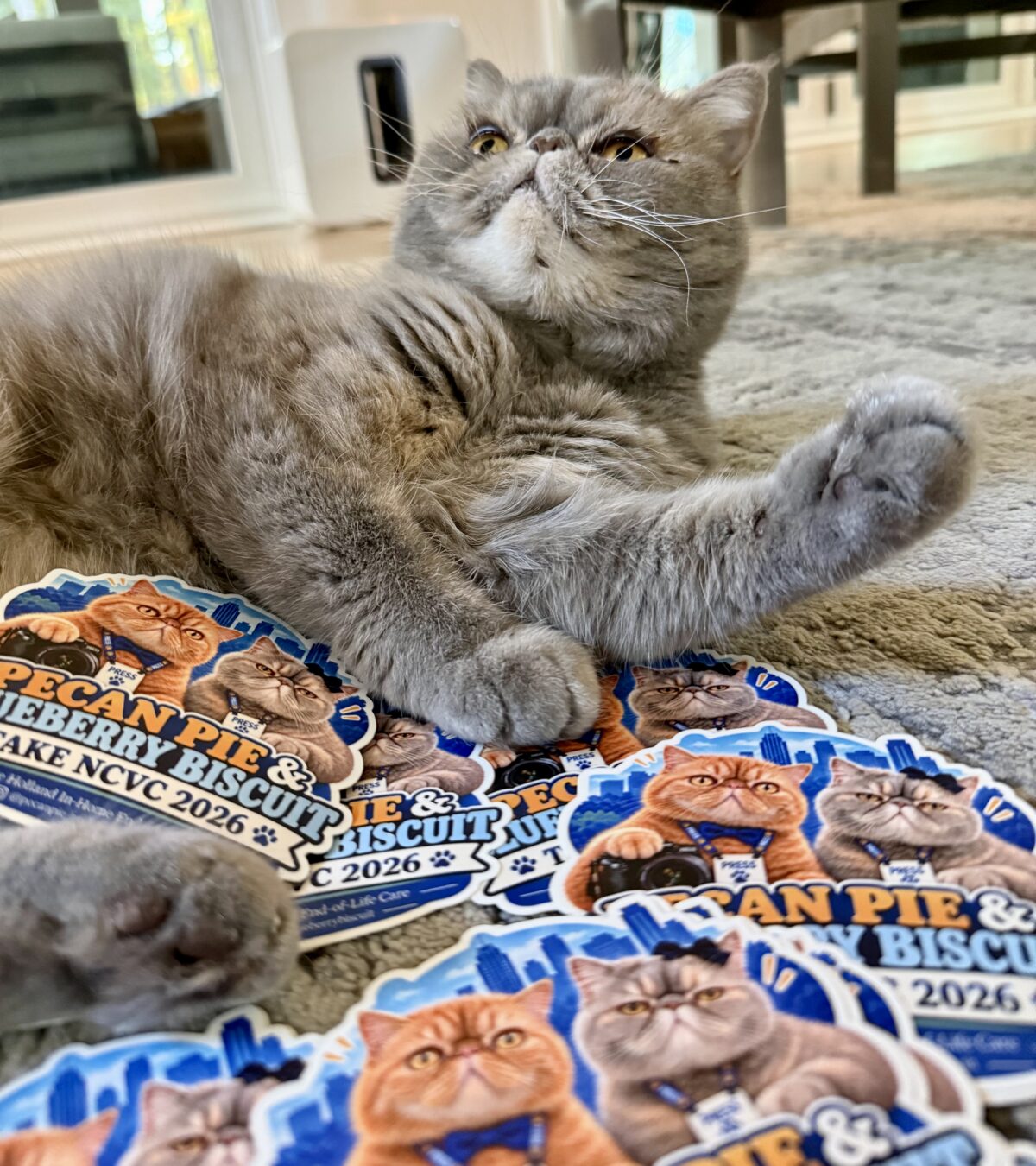
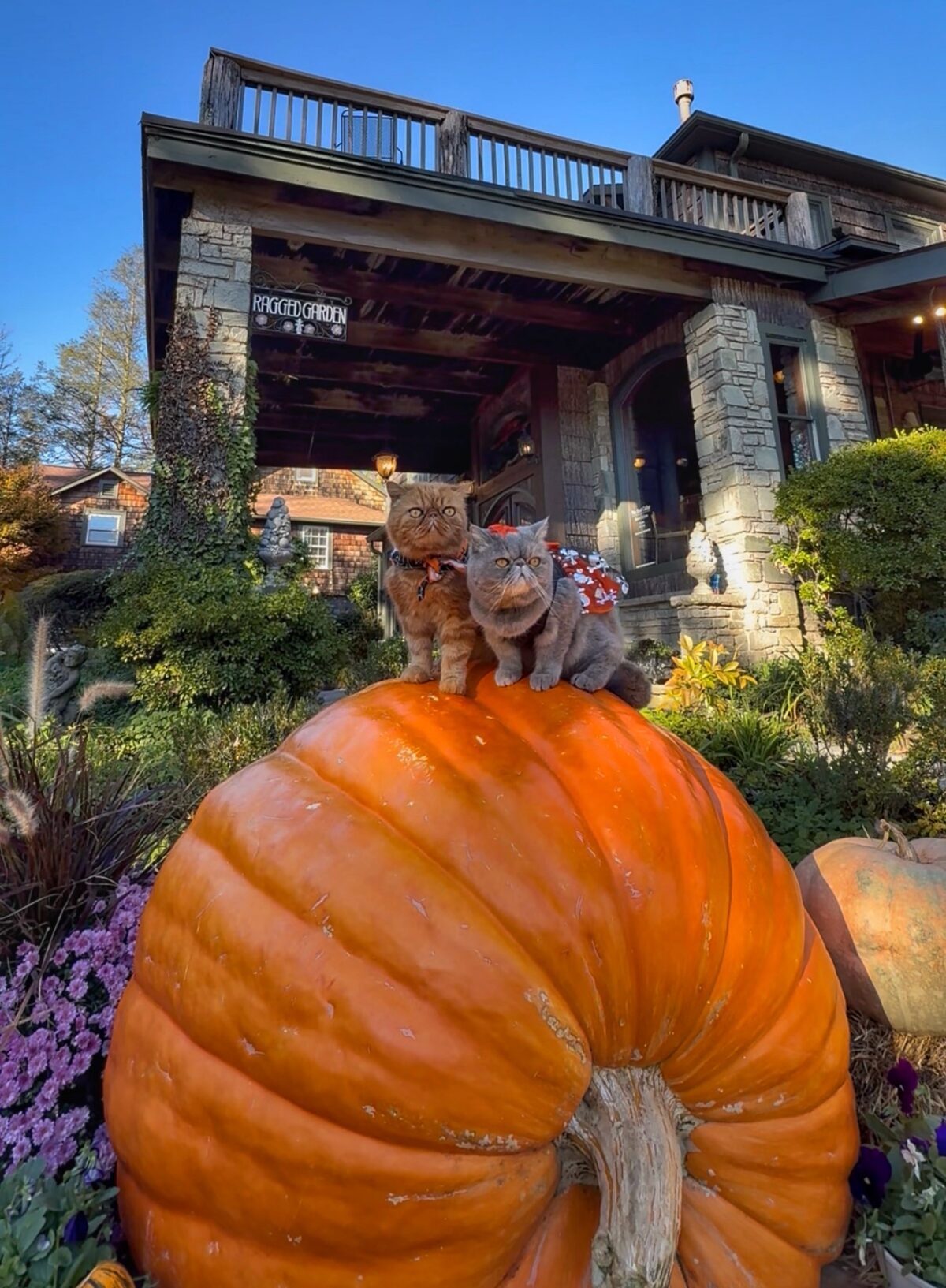
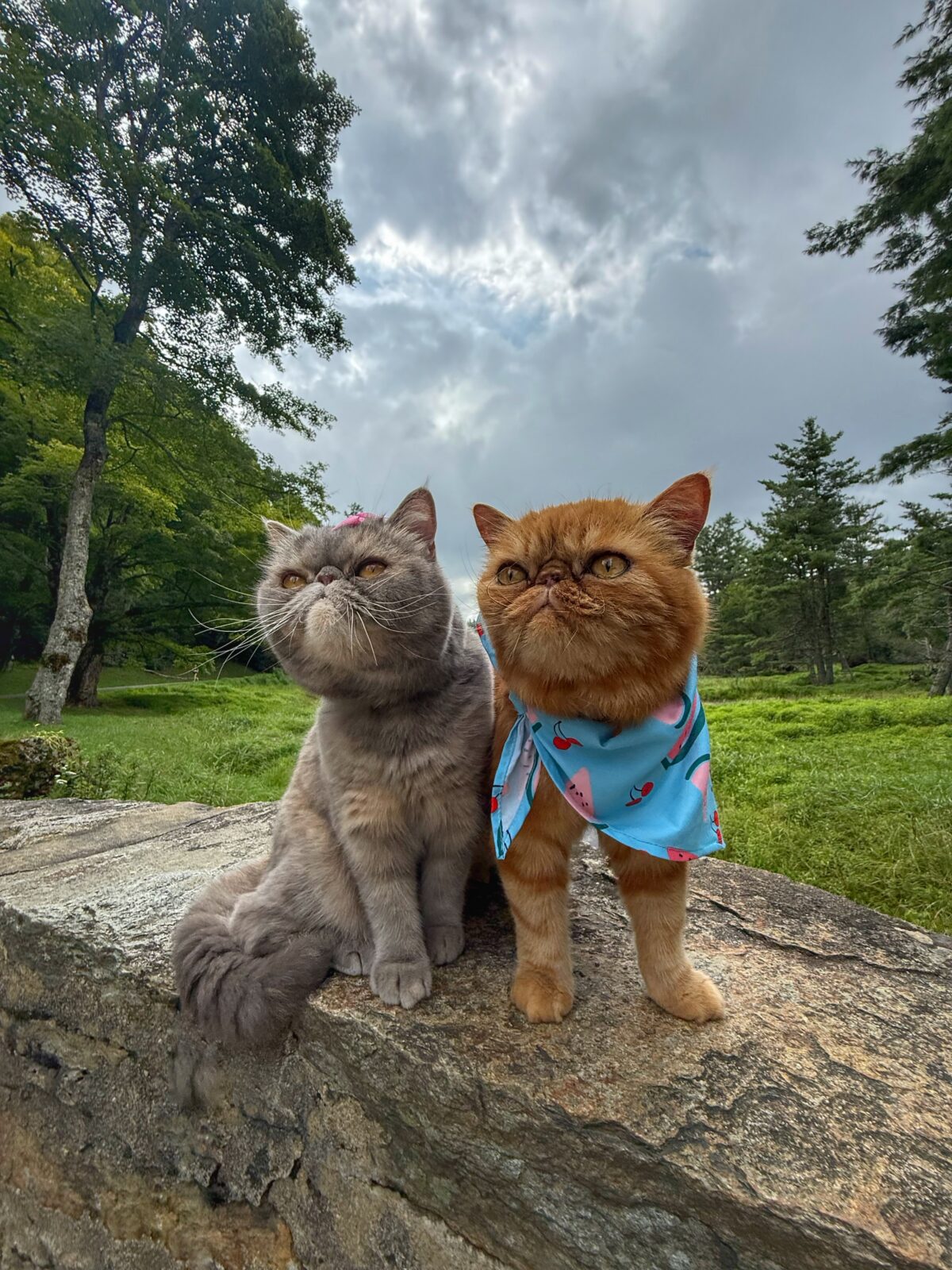
Pecan Pie and Blueberry Biscuit are coming to NCVC! 🐱

To celebrate, we’ve created limited-edition NCVC stickers featuring our feline ambassadors. The first 100 visitors on Friday and the first 100 on Saturday will receive one, so be sure to stop by early!

📍 Visit us at Booth 531

Whether you’d like to explore career opportunities, refer families, request a lunch

and learn, or join our newsletter, we’d love to connect.

And if you simply want to stop by, say hello, and meet the cats, that’s wonderful too.

Come talk veterinary medicine, make a new connection, and enjoy a little feline therapy while you’re at it!

I’m looking forward to reconnecting with familiar faces, meeting new colleagues, and sharing more about the work we do to support families and their beloved animals. – Dr. H


Día de los Muertos for Pets: Honoring Their Memory

Remembering Our Beloved Animal Companions

By Kristen Lacy

Our animal companions become part of the rhythm of our lives. They greet us at the door and bring comfort in ways that are sometimes hard to put into words. When they’re no longer here, the spaces they leave behind can feel enormous.

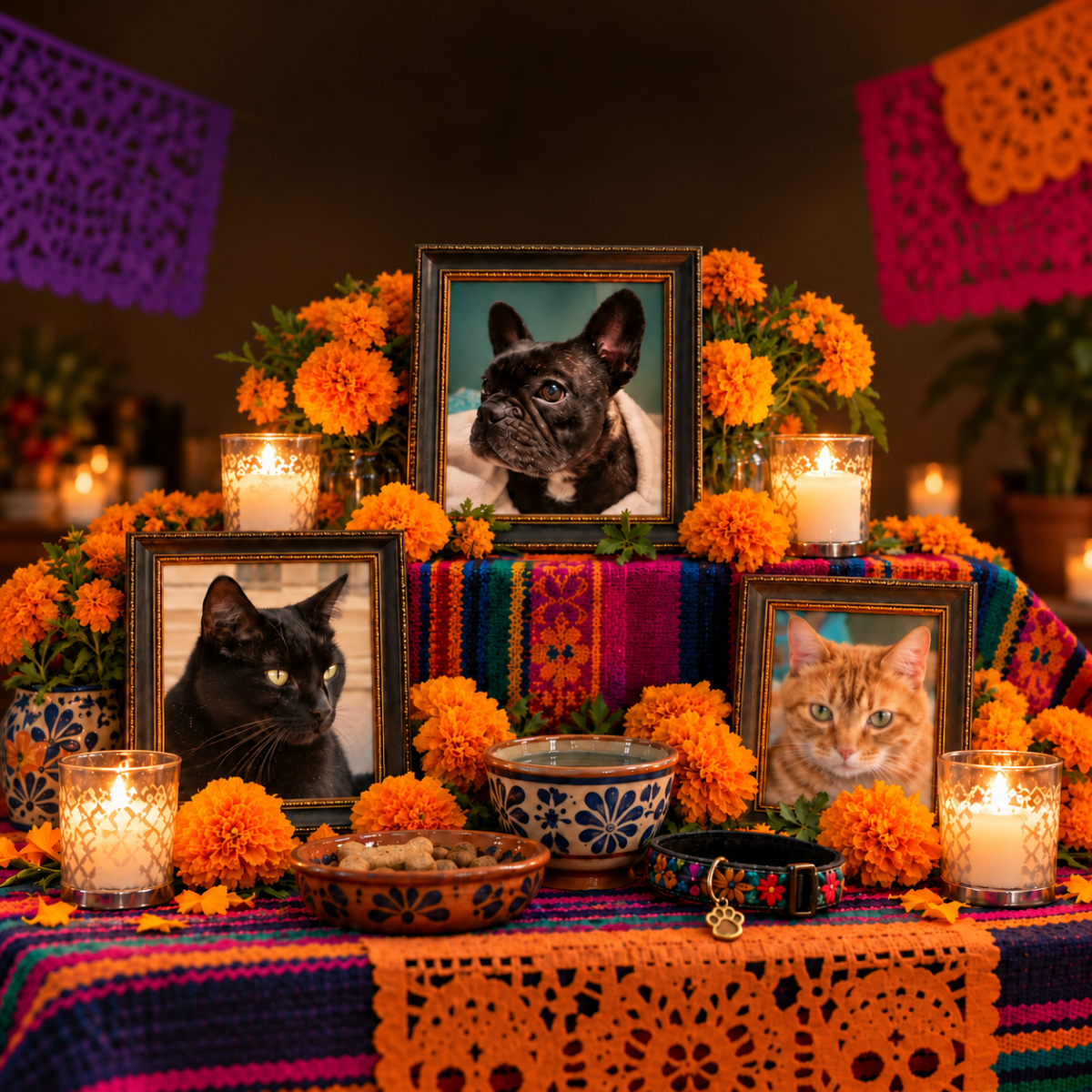
Día de los Muertos is a Mexican tradition centered on remembering and honoring loved ones. On October 27, some families also take time to remember their animal companions. One way to do this is by creating an ofrenda, a remembrance altar, with photographs and meaningful items.

An ofrenda can be as simple as a favorite photo, fresh water, marigolds, a beloved toy, or a treat your companion enjoyed. Each item can be a small reminder of the life you shared.

For me, creating space to remember is a way to celebrate the joy and companionship my family’s dogs, cats, and birds have brought into my life. Their absence is felt, but so is their love.

Whether you create an ofrenda, look through photographs, share a favorite story, or spend a quiet moment thinking of them, their memory can remain part of your life.

If you would like to share, we invite you to post a photo and the name of the animal companion you’re remembering on our Facebook post. 🧡

Halloween Pet Safety: A Note from Dr. Holland

Halloween has always been my favorite holiday.

I love the whole production of it: the decorating, pumpkins, lights, finding the perfect costume, and, of course, finding entirely unnecessary additional costumes for two cats who already own more than enough.

But as much fun as Halloween can be for us, our pets may experience the night very differently.

For pet families in Raleigh, Durham, Chapel Hill, Fuquay-Varina, Clayton and throughout our surrounding communities, a little planning can make Halloween safer and much more enjoyable. Here are my Halloween pet safety tips to help you prepare.

Keep Halloween candy out of your pet’s reach

Chocolate can be toxic to both dogs and cats, although chocolate ingestion is much more common in dogs. The type of chocolate, the amount eaten, and the size of the pet all matter.

Some candies and gums may also contain xylitol, which can be extremely dangerous for dogs.

Keep candy bowls, trick-or-treat bags, wrappers, and anything containing chocolate or xylitol somewhere your pets cannot reach.

And remember that curious pets are very good at finding things we thought were safely put away.

Prevent escapes when greeting trick-or-treaters

Halloween night means doors opening over and over again.

Even pets who normally have excellent manners can become excited, frightened, or confused by costumes, strangers, and constant activity.

Before the trick-or-treaters arrive, make sure your pet is wearing an up-to-date identification tag and that their microchip information is current.

If your pet tends to rush the door, consider using a baby gate, leash, closed room, or another safe barrier while you are handing out candy.

Practice pet costumes before Halloween

Some pets genuinely enjoy dressing up.

Others absolutely do not.

If you would like your pet to wear a costume, do a few short practice sessions before Halloween night. Introduce the costume gradually, almost the same way you would introduce a new harness.

Let your pet sniff it. Put it on briefly. Offer praise or treats. Slowly increase the amount of time they wear it, as long as they remain comfortable.

Make sure the costume does not restrict breathing, movement, vision, hearing, or the ability to use the bathroom.

Most importantly, pay attention to what your pet is telling you.

Know when your pet needs a quiet Halloween

Pecan Pie and Lady Blue are accustomed to costumes, outings, photos, and activity.

That does not mean every pet enjoys the same things.

The doorbell ringing repeatedly, children yelling on the sidewalk, unusual costumes, flashing decorations, and constant visitors can be incredibly stimulating for some animals.

If your pet would rather skip Halloween altogether, that is perfectly okay.

Set them up somewhere quiet and comfortable with their bed, favorite blanket, treats, toys, or some relaxing background noise.

Maybe their perfect Halloween is not greeting trick-or-treaters at all.

Maybe it is a cozy movie night, a quiet evening by the fireplace, and getting to spend the night curled up beside you.

There really is no wrong way to celebrate.

The goal is simply to know your pet, respect what makes them comfortable, and find a way for everyone in the family to enjoy the evening.

Happy Halloween,

Dr. Holland 🎃


Meow-lloween Mews!

Halloween at Our House

By Pecan Pie & Lady Blue

October is finally here, which means our household has entered one of its busiest seasons of the year.

There are pumpkins to inspect, costumes to approve, front porch activity to monitor, and eventually an entire evening of strangers arriving at our door asking for treats.

Naturally, we take our responsibilities very seriously.

First: the costumes

Our mom loves Halloween, and apparently one costume per cat is not enough.

We already have what can only be described as an extensive wardrobe, but additional costumes have been ordered and fittings are currently being scheduled.

Pecan Pie approaches costume fittings with enthusiasm, confidence, and the general belief that anything he wears deserves an audience.

Lady Blue prefers a more selective approach. She would like it noted that not every costume is worthy of her participation.

Either way, there will be fittings. There will be photographs. There will almost certainly be opinions.

Next: pumpkin shopping

This year, pumpkin selection has been elevated to a full family outing.

We will be accompanying our mom to inspect the inventory personally.

We intend to carefully evaluate the selection and determine which pumpkins meet our standards for color, shape, porch appeal, and overall Halloween ambiance.

Pecan Pie will likely be interested in everything.

Lady Blue will likely conduct a more refined evaluation.

Then comes Halloween night

Once the pumpkins are in place and the costumes have been selected, we move on to one of our most important annual duties: monitoring the front porch.

We enjoy watching the neighborhood activity, seeing the costumes, and observing the steady stream of trick-or-treaters.

Some costumes will be impressive.

Some will be confusing.

All will be judged.

We will also be conducting an unofficial review of whether each costume deserves treats, although we have been informed that the humans intend to distribute candy regardless of our findings.

By the end of the evening, after the doorbell has rung approximately 700 times, everyone has admired us appropriately, and the last trick-or-treater has disappeared down the sidewalk, we will return to our final October activity:

A very long nap.

To our fellow pets and their people in Raleigh, Durham, Apex, Wake Forest, Smithfield, Knightdale and everywhere in between: may your treats be plentiful, your costumes comfortable, and your admirers appropriately enthusiastic!

Happy Halloween,

Pecan Pie & Lady Blue


When Something Feels Different: Understanding Your Pet’s Quality of Life

By Kristen Lacy

Sometimes the first sign that a beloved companion is changing is not a diagnosis, a dramatic event, or one obvious symptom. Sometimes it is simply a feeling that something is different.

Maybe they are sleeping more, seem restless at night, take longer to get up, have more accidents in the house, or show changes in appetite, breathing, mobility, or interest in the routines they once loved. Individually, these changes may seem small, but together they can begin to tell a larger story. When you are living through those changes every day, it can be difficult to know what they mean or even whether you should be concerned.

That is one of the reasons I believe so strongly in quality-of-life conversations. Families should not have to wait until they are facing an immediate end-of-life decision to have a place to talk openly about what they are noticing, what they are worried about, and what may come next.

The Changes You Notice at Home Matter

You know your companion in a way no one else does. You know their routines, their personality, their favorite things, and the small behaviors that make them who they are. You notice when they stop waiting by the door, no longer follow you into the kitchen, seem less interested in walks, sleep more restlessly, or need more effort to get comfortable.

These everyday observations can give us important information about quality of life. During a Supportive Quality of Life Call, I slow things down with families and give them space to tell me what life actually looks like at home. We may talk about appetite, mobility, breathing, sleep, bathroom habits, anxiety, confusion, social interaction, comfort, and whether their companion is still engaging with the parts of life they have always enjoyed.

Sometimes I use our quality-of-life guide or ask reflective questions to help organize what a family is seeing. Just as often, my job is to listen carefully and reflect those observations back to them. When changes happen gradually, it can be surprisingly difficult to recognize patterns while you are living inside them every day. Hearing your own observations brought together can sometimes make the picture clearer.

This is something families have shared with me again and again after these conversations. Having a dedicated space to talk through everything can make an overwhelming situation feel more manageable. Sometimes they simply needed someone to listen. Sometimes they needed help finding the questions they wanted to ask. Sometimes they already knew what was changing, but saying it out loud helped them understand what they were feeling.

You Do Not Have to Wait Until It Feels Urgent

Many families assume a quality-of-life consultation is something they should schedule only when they believe euthanasia may be imminent. I would much rather speak with a family before they reach that point.

There is tremendous value in having these conversations while there is still time to observe, ask questions, prepare, and enjoy being together. A consultation does not begin with the assumption that it is time to say goodbye. It begins with where you and your companion are today.

Sometimes a family finishes our conversation feeling reassured that their companion is still experiencing comfortable, meaningful days. We may identify things they want to continue watching or questions they would like to discuss with their veterinarian. Other times, talking through the changes helps a family recognize that difficult days have become more frequent or that their companion’s world has gradually become smaller.

Neither outcome is predetermined. I am not there to make the decision for a family, and I do not believe anyone should take that decision away from the people who know and love that animal best. My role is to help families understand what they are seeing, consider quality of life more objectively, prepare for possibilities ahead, and feel supported as they make decisions for their companion.

“I’m Afraid I’ll Do It Too Soon.”

This is one of the most common fears families share with me. The other is, “I’m afraid I’ll wait too long.” Most families carry some version of both fears at the same time.

Unfortunately, there is rarely one perfect moment when every sign suddenly becomes obvious. Quality of life is usually something we evaluate over time. We can consider comfort, mobility, appetite, breathing, sleep, anxiety, interaction, and enjoyment. We can talk about good days and difficult days, but we can also look more deeply at what those days actually contain.

One question I often encourage families to consider is what has always made their companion them. Maybe it is waiting by the window, going for walks, greeting you when you come home, sitting in the sunshine, begging for a favorite treat, sleeping beside you, or simply wanting to be part of whatever the family is doing. As life changes, looking at whether those meaningful experiences are still present can be just as important as counting good and bad days.

These conversations do not remove the emotion from end-of-life decisions, and that is not the goal. Loving an animal deeply means these decisions are going to be emotional. What a thoughtful quality-of-life conversation can do is give that emotion some structure, information, and support.

Planning Ahead Does Not Mean Giving Up

Talking about future care does not mean you have decided that today is the day. It means you are giving yourself an opportunity to understand what may come next before you are trying to make decisions during a crisis.

During our conversations, we can talk about changes to watch for, questions to bring back to your veterinarian, what declining comfort might look like, and what you would want for your companion if their condition changed quickly. We can also talk about practical considerations that families often do not think about until they suddenly need to.

If euthanasia may eventually become part of your companion’s care, understanding what that process looks like beforehand can make the unknown less frightening. You can think about where you would want to be, who you would want present, what would make your companion most comfortable, and what questions you want answered before that day arrives.

If that time is not now, that is okay. In fact, sometimes one of the most meaningful outcomes of a consultation is realizing that you have more time.

Another Layer of Support for Your Family

A Supportive Quality of Life Call is not a replacement for your veterinarian or the medical care they provide. Your veterinary team remains an essential part of your companion’s care, particularly when medical evaluation, diagnosis, treatment, or changes in symptoms are needed.

My role is different. I provide another layer of support and additional time to focus specifically on quality of life, the changes happening at home, the questions families are carrying, and the emotional and practical realities of caring for an aging or seriously ill companion.

I have spent a great deal of time talking with families who love their animals deeply and are trying to do right by them during an incredibly difficult season of life. One thing I have learned from those conversations is that families often know far more than they think they do. They are noticing the changes. They know their companion. They care tremendously about making a thoughtful decision. What they sometimes need is someone to help them slow everything down, put those observations into words, and look at the situation as a whole.

That is what I hope to provide during a Supportive Quality of Life Call: a calm place to talk, ask questions, think out loud, and prepare without pressure.

Whether your companion is living with cancer, kidney disease, cognitive changes, mobility challenges, advanced age, or another serious or progressive condition, you do not have to wait until everything feels urgent to begin thinking about what comes next. You can ask questions before you have all the answers, and you can prepare before you have made a decision.

Most importantly, you can have these conversations while there are still good days left. Preparing for what may eventually come does not take anything away from the time you have together. Sometimes it allows you to spend more of that time simply being with them.


The Azure Holland Quality of Life Guide

 

I really believe in peaceful goodbyes

We can’t prevent our beloved pets from dying. I wish we could. But after doing this work for so many years, I absolutely believe that we can help them have a more peaceful goodbye. And honestly, that’s a huge part of why I believe so strongly in consultations.

A consultation isn’t about me telling you that it’s time to euthanize your dog or cat. In fact, I would much rather meet a family before we’re at that point. I want us to have time to talk. I want to hear what you’re seeing at home, what has changed, what your pet still loves, what has become harder, and what you’re worried about.

Sometimes we’ll use our quality-of-life tool. Sometimes I’ll ask reflective questions. And sometimes I just listen. A huge part of what I do during a consultation is listen to what a family is telling me and then reflect it back to them. Because when you’re living this every single day, and when you love this animal deeply, it can be really hard to step outside of it and see the whole picture.

That’s where I can help.

Whether we’re talking during a virtual consultation or I’m sitting on your living room floor after examining your pet during an in-home consultation, I want to help you process what is actually happening. I want the pet to stay at the center of the conversation. How are they doing? What does their life look like right now? And where might we be headed?

Most importantly, I don’t want you carrying all of this alone. Deciding when and how to say goodbye to an animal you love is an enormous responsibility. I think sometimes families feel like they’re supposed to somehow know the answer. They’re waiting for this moment when they’re going to wake up and just know.

Sometimes that happens. A lot of times it doesn’t.

That’s why I believe so much in starting these conversations early. It’s also why I talk about consultations so much when I’m teaching veterinary teams in our community. The earlier a hospital can connect a family with us, the sooner we can start having these conversations and planning together. That doesn’t mean the family’s relationship with their regular veterinarian ends. We’re simply adding another layer of support during a really difficult stage of their pet’s life.

Because what I don’t want is for our first conversation to happen when a pet is struggling and everyone is scared.

There are few things more heartbreaking to me than having to say goodbye to a beloved companion in the middle of an emergency because we’ve reached a point of significant suffering. Those are the final moments of a relationship that may have lasted 10, 15, sometimes nearly 20 years. I want those moments to be peaceful. I want there to be time. I want there to be room for love and stories and all of the things that make that particular relationship what it is.

And sometimes, and this is hard, creating that kind of peaceful goodbye means saying goodbye a couple of days sooner than we absolutely had to. I know how difficult that is to think about. Nobody wants to feel like they took a day away from their pet. But I also don’t want us to gain two more days and have the price of those days be suffering at the very end.

There is another part of this that I don’t think we talk about enough.

Grief is hard enough on its own. When we know our pet suffered at the end, that grief can become tangled up with guilt.

Did I wait too long? Why didn’t I see it? Should I have done something sooner?

Now we’re not only grieving the loss of someone we loved. We’re also trying to process what we witnessed.

We can’t prevent grief. Grief is part of loving them. But we can try to prevent suffering from becoming part of that grief.

That, to me, is what end-of-life planning for pets is really about.

It’s not about choosing a date the first time we talk. It’s not about someone else making the decision for you. And it certainly isn’t about rushing a goodbye. It’s about understanding where your pet is today, talking honestly about what may be ahead, knowing what changes we’re watching for, and having a plan before we need one.

Because we can’t control the fact that their lives will end. But whenever we have the opportunity, I believe we can help that ending happen with more peace, more intention, and less suffering.

And I think our pets deserve that.

So do the people who love them.

– Dr. H 

When is it time?  https://azureholland.com/pet-quality-of-life-guide/

care options 

grief resources 

Dr. Azure Holland: Let Them Be Part of the Adventure

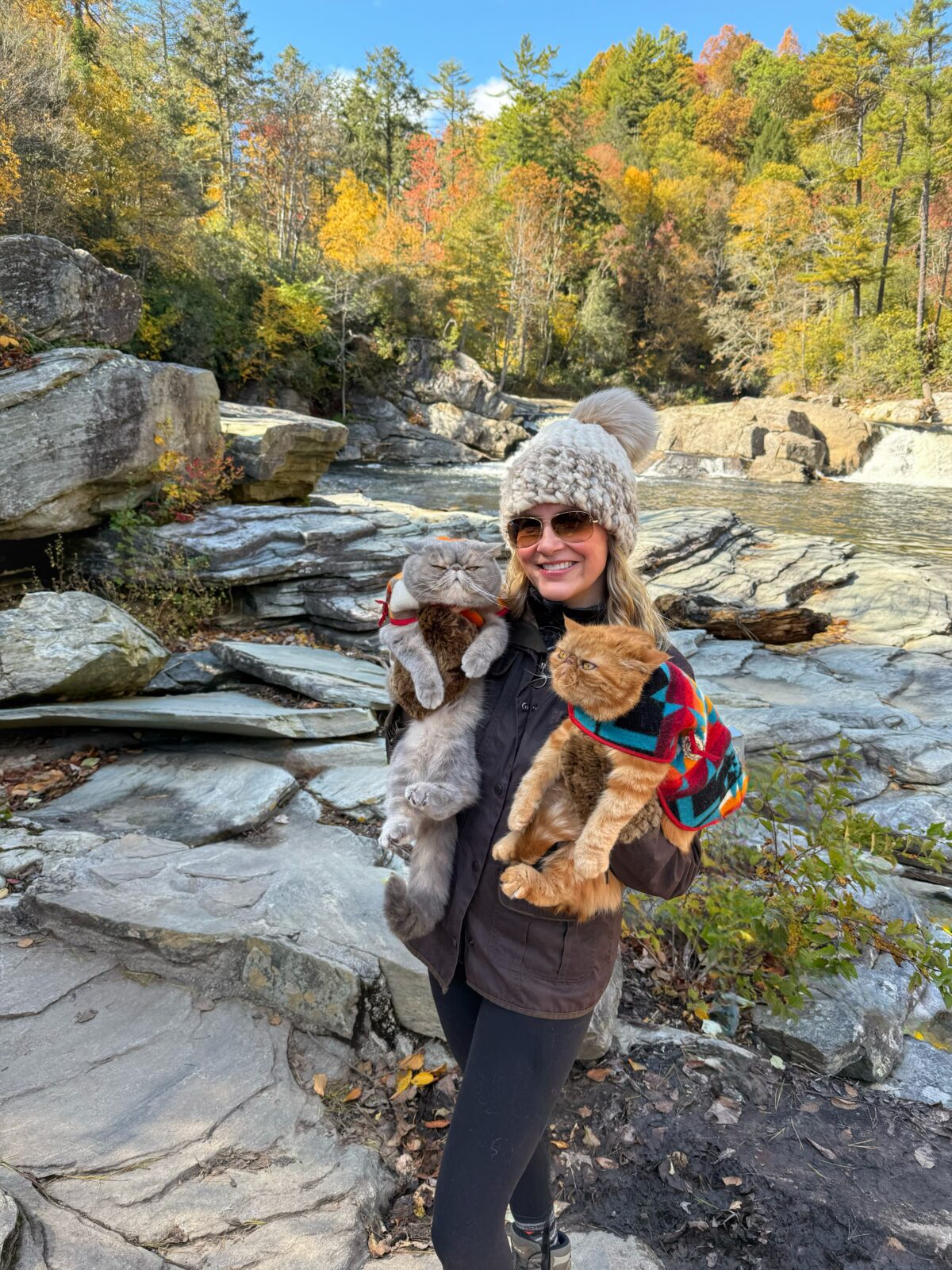
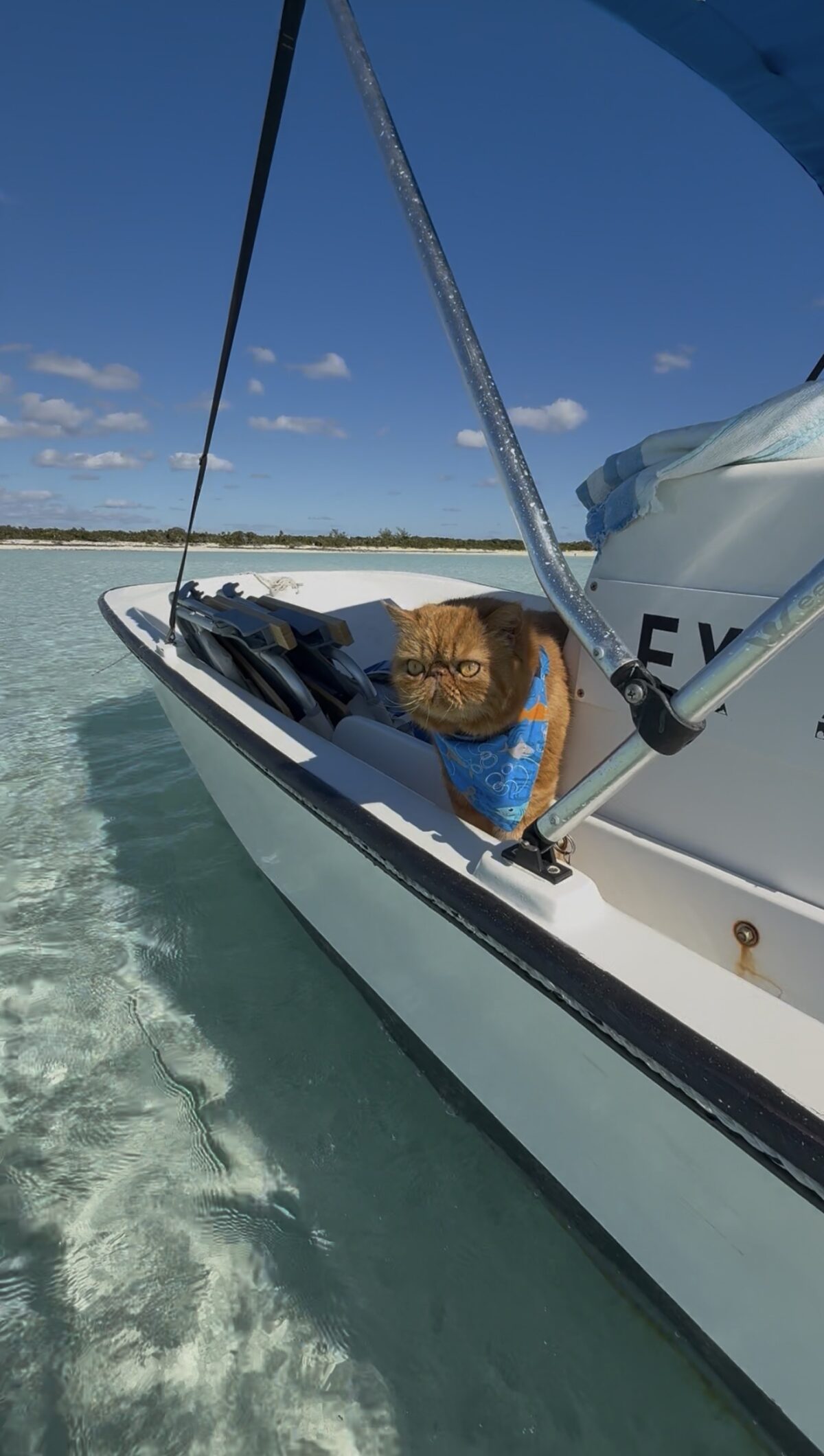
One of my favorite things about taking Pecan Pie and Blueberry Biscuit places is watching them experience something new.

It doesn’t have to be anything big. A new place to walk, different smells, a restaurant patio, a hotel room to explore, or even just sitting in their stroller watching people go by.

I think sometimes we make the idea of “enrichment” more complicated than it needs to be. Really, it’s just about giving our pets opportunities to experience more of the world in ways that they enjoy.

And what that looks like is going to be different for every pet.

Pecan wants to be involved in absolutely everything. If something is happening, he assumes it probably concerns him.

Blueberry Biscuit loves an adventure too, but she likes to take things in at her own pace. Their stroller has been wonderful for both of them because it gives them a familiar, safe place while still letting them be out experiencing the world.

And you definitely don’t have to take your pet on vacation to give them those experiences.

Take a different route on your walk. Find a shady park you haven’t visited before. Sit outside together in the evening. Try a pet-friendly patio. Let your cat watch the neighborhood from a secure stroller. Even spending a little extra time outside together can give them something new to see and smell.

Adventure Can Happen at Home, Too

Some of the easiest ways to add enrichment to your pet’s life can happen without ever leaving home.

Hide a few treats around the house and let them search for them. Try a puzzle feeder or put part of their meal in a treat toy instead of their regular bowl. Give your cat a cardboard box or paper bag to investigate. Move a favorite bed to a window where they can watch birds and squirrels.

I also love rotating toys instead of leaving everything out all the time. Put a few away and bring them back out a couple of weeks later. Sometimes an old toy suddenly becomes the best thing ever again.

For dogs, something as simple as extra time sniffing around the yard or practicing a favorite trick can be enrichment. For cats, pull out a wand toy, give them a new box to explore, grow some cat grass, or let them spend some time watching the world through a screened window.

It doesn’t have to be complicated, expensive, or take a lot of time.

Find Their Version of Adventure

The most important thing is to pay attention to your pet.

Some animals are naturally curious and ready to explore. Others would much rather experience something new from a place where they feel safe. Both are perfectly okay.

We don’t need to turn every pet into an adventure pet. We just need to figure out what their version of adventure looks like.

For one pet, that might be a weekend in the mountains. For another, it might be sniffing a new part of the neighborhood or getting a cardboard box in the living room.

I really believe that giving our pets these little opportunities to experience more of life is good for them—and it’s good for us, too.

Because ultimately, it’s not really about how many places we take them or how much we do.

It’s about spending time together, paying attention to what they enjoy, and letting them be a bigger part of our lives.

🩵 Dr. Azure Holland


Pecan Pie & Blueberry Biscuit’s Mountain Mews

Oh hiiii frens!

We promised we’d tell you all about our mountain adventure, and we have returned with a full report.

First of all: mountain weather is superior.

We traded the summer heat for cool breezes, shady walks, and plenty of time outside in our stroller. Meowmie says we went to the mountains for a little getaway. We’re fairly certain the mountains were expecting us.

Pecan Pie’s favorite part? Going places.

Restaurants. Walks. Exploring. Meeting new people. If there was something happening, Pecan felt strongly that he should be included.

He takes his role as Director of Adventure very seriously.

Blueberry Biscuit’s approach was slightly different.

Lady Blue enjoys an adventure, but she also believes every proper vacation should include adequate time for lounging, observing the scenery, and being admired.


Her official review:

Cool air. Beautiful views. Excellent accommodations. Acceptable.

We spent lots of time together, explored new places, enjoyed the cooler mountain air, and—most importantly—got to be part of Meowmie’s adventures instead of staying home.

That might actually be our favorite thing about traveling.

We don’t need every adventure to be big. Sometimes we just like being included.

A stroller ride. Dinner on a patio. A walk somewhere new. Sitting outside together and watching the world go by.

Because when you’re with your favorite people, even an ordinary afternoon can feel like an adventure.

And now that we’re home?

Pecan is already wondering where we’re going next.

Blueberry Biscuit is taking a nap.

Obviously.

Until next time,

🩵 Pecan Pie & Blueberry Biscuit


Dr. Azure Holland’s Summer Bucket List

Summer is for making memories with our pets.

With a little planning, you can stay cool, stay safe, and enjoy everything the season has to offer—whether you’re heading out on an adventure or relaxing close to home.

Host a Backyard Water Party

One of the easiest ways to beat the summer heat is with a backyard water party! A kiddie pool, splash pad, sprinkler, or even a gentle hose can turn an ordinary afternoon into a fun memory. Add a few floating toys or treats, and always let your pet decide how much—or how little—they’d like to participate.

Take a Stroller Adventure

Pet strollers aren’t just for adventure cats! They’re also a wonderful option for senior dogs, small dogs, or pets who tire easily but still love getting out to see the world. Many strollers have canopies that provide welcome shade from the summer sun, creating a cool place to relax while enjoying the sights and sounds of an outing.
I never leave home without fresh water and a cooling mister during the summer, and a portable fan can make stroller rides even more comfortable. Cooling vests and cooling mats chilled in the refrigerator are also great options for some pets on especially warm days.

Explore Somewhere New

Visit a shaded park, nature trail, botanical garden, or pet-friendly outdoor space. New sights, smells, and sounds provide wonderful enrichment—even if you only stay for a short visit.

Enjoy a Patio Date

Many coffee shops and restaurants welcome pets on their outdoor patios. Find a shady table, bring plenty of fresh water, and enjoy spending a little extra time together. Sometimes the best memories are made over a quiet cup of coffee—or lunch with your best friend by your side.

Start Early or Stay Out Late

Morning and evening adventures are often much cooler and more comfortable than the heat of the afternoon. Whether it’s a neighborhood walk, a stroll through your favorite park, or simply watching the sunset together, these quieter moments can become some of the most meaningful.

A Few Summer Reminders

Bring plenty of fresh water wherever you go, look for shade whenever possible, and remember that if the pavement is too hot for your hand, it’s too hot for your pet’s paws.
The best summer adventures don’t have to be elaborate. Sometimes the greatest gift we can give our pets is simply spending a little extra time together.

🩵 Dr. Azure Holland