
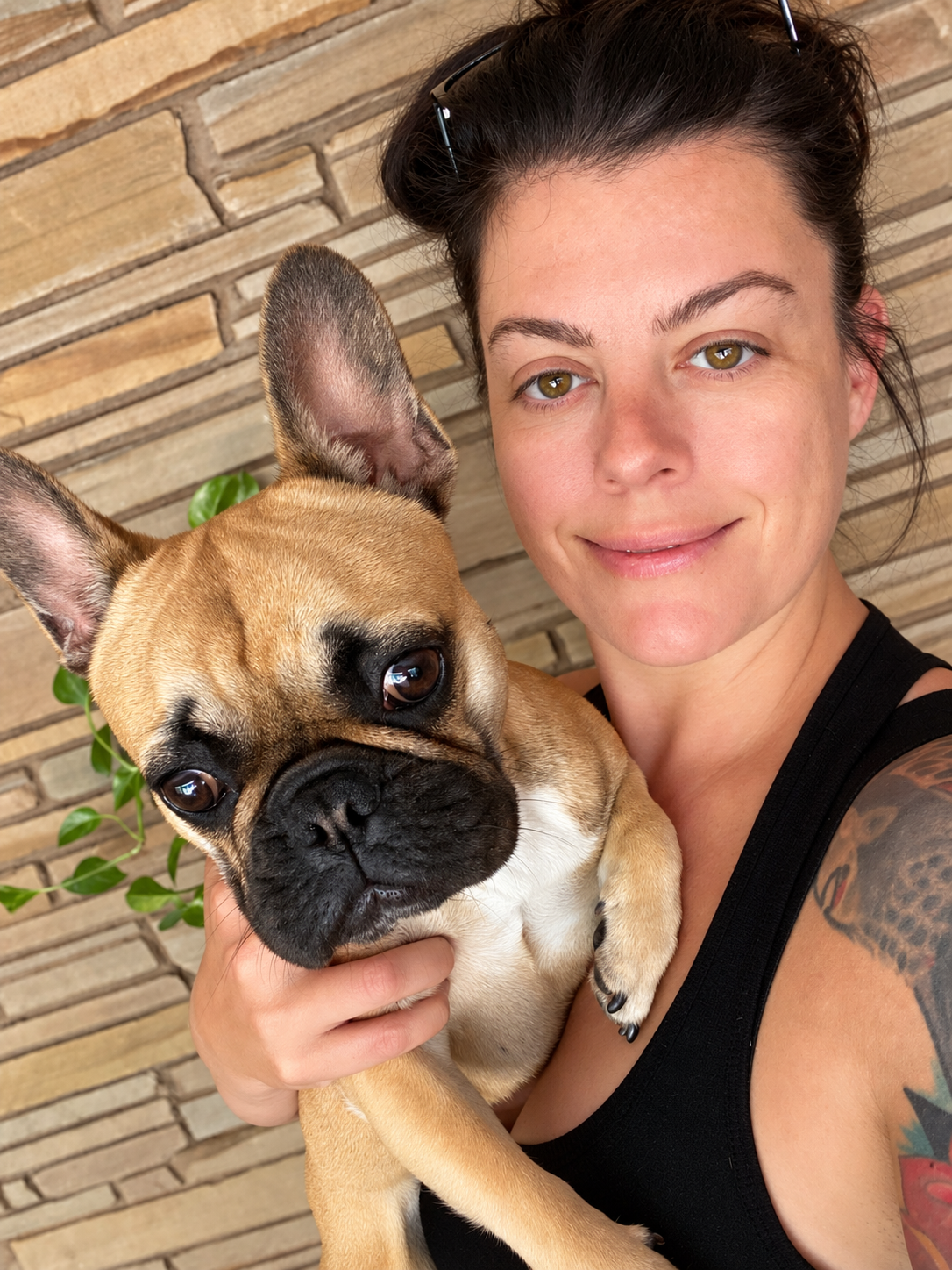
By Kristen Lacy
Sometimes the first sign that a beloved companion is changing is not a diagnosis, a dramatic event, or one obvious symptom. Sometimes it is simply a feeling that something is different.
Maybe they are sleeping more, seem restless at night, take longer to get up, have more accidents in the house, or show changes in appetite, breathing, mobility, or interest in the routines they once loved. Individually, these changes may seem small, but together they can begin to tell a larger story. When you are living through those changes every day, it can be difficult to know what they mean or even whether you should be concerned.
That is one of the reasons I believe so strongly in quality-of-life conversations. Families should not have to wait until they are facing an immediate end-of-life decision to have a place to talk openly about what they are noticing, what they are worried about, and what may come next.
The Changes You Notice at Home Matter
You know your companion in a way no one else does. You know their routines, their personality, their favorite things, and the small behaviors that make them who they are. You notice when they stop waiting by the door, no longer follow you into the kitchen, seem less interested in walks, sleep more restlessly, or need more effort to get comfortable.
These everyday observations can give us important information about quality of life. During a Supportive Quality of Life Call, I slow things down with families and give them space to tell me what life actually looks like at home. We may talk about appetite, mobility, breathing, sleep, bathroom habits, anxiety, confusion, social interaction, comfort, and whether their companion is still engaging with the parts of life they have always enjoyed.
Sometimes I use our quality-of-life guide or ask reflective questions to help organize what a family is seeing. Just as often, my job is to listen carefully and reflect those observations back to them. When changes happen gradually, it can be surprisingly difficult to recognize patterns while you are living inside them every day. Hearing your own observations brought together can sometimes make the picture clearer.
This is something families have shared with me again and again after these conversations. Having a dedicated space to talk through everything can make an overwhelming situation feel more manageable. Sometimes they simply needed someone to listen. Sometimes they needed help finding the questions they wanted to ask. Sometimes they already knew what was changing, but saying it out loud helped them understand what they were feeling.
You Do Not Have to Wait Until It Feels Urgent
Many families assume a quality-of-life consultation is something they should schedule only when they believe euthanasia may be imminent. I would much rather speak with a family before they reach that point.
There is tremendous value in having these conversations while there is still time to observe, ask questions, prepare, and enjoy being together. A consultation does not begin with the assumption that it is time to say goodbye. It begins with where you and your companion are today.
Sometimes a family finishes our conversation feeling reassured that their companion is still experiencing comfortable, meaningful days. We may identify things they want to continue watching or questions they would like to discuss with their veterinarian. Other times, talking through the changes helps a family recognize that difficult days have become more frequent or that their companion’s world has gradually become smaller.
Neither outcome is predetermined. I am not there to make the decision for a family, and I do not believe anyone should take that decision away from the people who know and love that animal best. My role is to help families understand what they are seeing, consider quality of life more objectively, prepare for possibilities ahead, and feel supported as they make decisions for their companion.
“I’m Afraid I’ll Do It Too Soon.”
This is one of the most common fears families share with me. The other is, “I’m afraid I’ll wait too long.” Most families carry some version of both fears at the same time.
Unfortunately, there is rarely one perfect moment when every sign suddenly becomes obvious. Quality of life is usually something we evaluate over time. We can consider comfort, mobility, appetite, breathing, sleep, anxiety, interaction, and enjoyment. We can talk about good days and difficult days, but we can also look more deeply at what those days actually contain.
One question I often encourage families to consider is what has always made their companion them. Maybe it is waiting by the window, going for walks, greeting you when you come home, sitting in the sunshine, begging for a favorite treat, sleeping beside you, or simply wanting to be part of whatever the family is doing. As life changes, looking at whether those meaningful experiences are still present can be just as important as counting good and bad days.
These conversations do not remove the emotion from end-of-life decisions, and that is not the goal. Loving an animal deeply means these decisions are going to be emotional. What a thoughtful quality-of-life conversation can do is give that emotion some structure, information, and support.
Planning Ahead Does Not Mean Giving Up
Talking about future care does not mean you have decided that today is the day. It means you are giving yourself an opportunity to understand what may come next before you are trying to make decisions during a crisis.
During our conversations, we can talk about changes to watch for, questions to bring back to your veterinarian, what declining comfort might look like, and what you would want for your companion if their condition changed quickly. We can also talk about practical considerations that families often do not think about until they suddenly need to.
If euthanasia may eventually become part of your companion’s care, understanding what that process looks like beforehand can make the unknown less frightening. You can think about where you would want to be, who you would want present, what would make your companion most comfortable, and what questions you want answered before that day arrives.
If that time is not now, that is okay. In fact, sometimes one of the most meaningful outcomes of a consultation is realizing that you have more time.
Another Layer of Support for Your Family
A Supportive Quality of Life Call is not a replacement for your veterinarian or the medical care they provide. Your veterinary team remains an essential part of your companion’s care, particularly when medical evaluation, diagnosis, treatment, or changes in symptoms are needed.
My role is different. I provide another layer of support and additional time to focus specifically on quality of life, the changes happening at home, the questions families are carrying, and the emotional and practical realities of caring for an aging or seriously ill companion.
I have spent a great deal of time talking with families who love their animals deeply and are trying to do right by them during an incredibly difficult season of life. One thing I have learned from those conversations is that families often know far more than they think they do. They are noticing the changes. They know their companion. They care tremendously about making a thoughtful decision. What they sometimes need is someone to help them slow everything down, put those observations into words, and look at the situation as a whole.
That is what I hope to provide during a Supportive Quality of Life Call: a calm place to talk, ask questions, think out loud, and prepare without pressure.
Whether your companion is living with cancer, kidney disease, cognitive changes, mobility challenges, advanced age, or another serious or progressive condition, you do not have to wait until everything feels urgent to begin thinking about what comes next. You can ask questions before you have all the answers, and you can prepare before you have made a decision.
Most importantly, you can have these conversations while there are still good days left. Preparing for what may eventually come does not take anything away from the time you have together. Sometimes it allows you to spend more of that time simply being with them.