A Gentle Spring Reminder: Hidden Toxins in the Yard
Dr. Azure Holland
As the season shifts, a quiet awareness can help keep your pet safe in the places they love most.
As the weather warms, many families begin spending more time outdoors—opening windows, walking barefoot in the grass, and inviting their pets to enjoy the season alongside them.
For many dogs and cats, the yard is a place of comfort, exploration, and routine. But spring also brings subtle environmental changes that are easy to overlook. Some exposures are not dramatic.
They are quiet, everyday interactions—often introduced with the best of intentions.
This is not a reason for alarm.
But it is a reason for awareness.
Lawn Treatments & Residue
Fertilizers, herbicides, and pesticides are especially common this time of year.
Even when labeled “pet-safe,” these products can still cause irritation or illness depending on:
- how recently they were applied
- how much residue remains
- how your pet interacts with the space
Dogs who lick their paws after being outside, and cats who groom meticulously, may ingest small amounts without it being obvious.
A gentle, practical rhythm for spring:
- allow treated areas to fully dry before access
- wipe paws after time outdoors
- and for pets who love to roll or lie in the grass, consider gently wiping down their coat with a non-toxic, fragrance-free pet wipe
This is especially helpful for:
- long-haired pets
- pets with environmental allergies
- and those who enjoy full-body contact with the lawn
Plants, Pollen & Sensitivities
Spring plantings can introduce both toxicity risks and allergic responses, which can look different depending on the pet.
Cats:
- highly sensitive to environmental exposures due to grooming habits
- may show subtle signs such as decreased appetite, hiding, or quiet behavioral changes
Dogs:
- more likely to experience allergic reactions from grasses and pollens
- common signs include:
- licking or chewing paws
- red or irritated skin (especially belly, armpits, ears)
- watery eyes or mild congestion
Shared plant risks (dogs & cats):
- azaleas
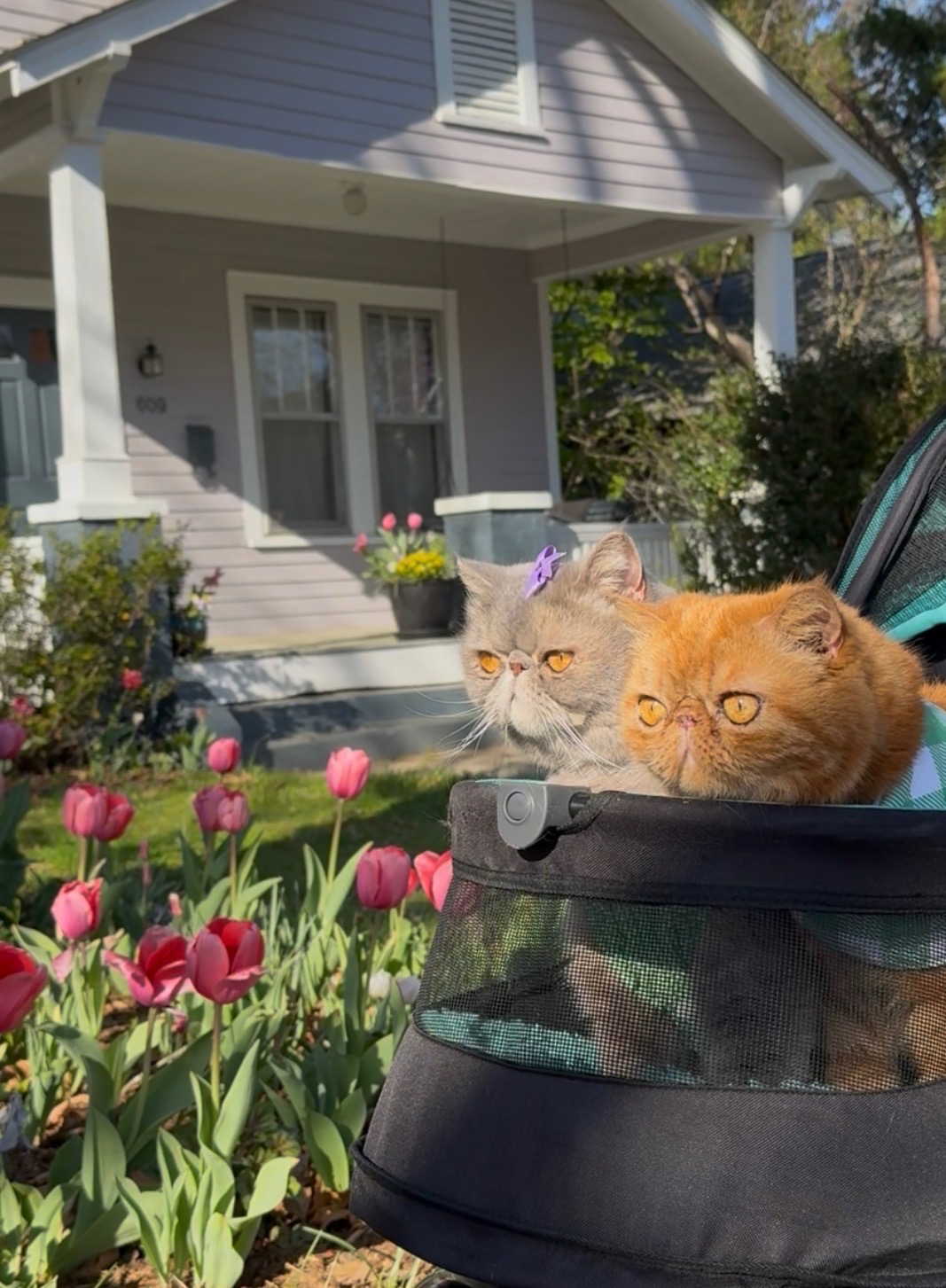
- tulips and daffodil bulbs
- sago palms
If your pet tends to graze, dig, or carry plants in their mouth, a quick seasonal scan of your yard can be very helpful.
A Special Note for Cat Families: Lilies
Within the broader category of spring plants, there is one exposure that deserves to be named clearly and with care:
Lilies are extremely toxic to cats.
Even very small exposures can be dangerous, including:
- brushing against pollen and grooming it off later
- drinking water from a vase containing lilies
- chewing a leaf or petal
This is one of the few plant exposures where even minimal contact can lead to severe illness.
Because lilies are so commonly included in:
- spring bouquets
- holiday arrangements
- and well-meaning floral gifts
…it is worth being especially mindful of what enters the home this time of year.
For cat households, the safest approach is simply:
to avoid lilies entirely, both indoors and outdoors.
Insect & Pest Control: A Closer Look
Warmer weather brings increased use of pest control products, often placed in areas pets can easily access.
Common concerns include:
- slug and snail bait (often flavored and highly toxic)
- ant and roach baits
- mosquito yard sprays and foggers
- flea/tick yard treatments
These may be found:
- along garden borders
- near foundations
- under decks or shaded areas
Some are designed to attract pests—meaning they may also attract pets.
A few thoughtful considerations:
- avoid placing bait in areas your pet can reach
- be cautious with shared outdoor spaces (neighbors may be using products you’re unaware of)
- after professional yard treatments, ask specifically about pet re-entry timing
- and when possible, ask your lawn or pest control specialist about timing and organic or pet-conscious alternatives
This small step can help align your yard care
with your pet’s safety—without sacrificing effectiveness.
Standing Water, Runoff &
Safer Alternatives
Spring rains often create puddles or areas of runoff that collect:
- lawn chemicals
- bacteria
- organic debris
Dogs are especially drawn to these water sources, even when fresh water is available.
A simple, supportive alternative:
Offer a dedicated outdoor water source for your pet.
This might look like:
- a clean, shaded water bowl refreshed daily
- a heavy, tip-resistant dish in a familiar outdoor resting area
- a designated hydration space during time outside
When pets have access to fresh, appealing water, they are far less likely to seek out puddles or runoff.
A Thoughtful Approach
to Outdoor Time
None of this means your pet should avoid the outdoors.
In fact, time outside—when comfortable and safe—can be deeply enriching.
Instead, the goal is a gentle awareness:
- noticing what has changed in your environment
- understanding your pet’s unique sensitivities
- and supporting their natural behaviors with small, intentional care
Wiping paws.
Gently wiping the coat after rolling in the grass.
Offering clean water.
These are simple acts—but they create a meaningful layer of protection.
Keeping Spring Soft
Spring invites us back into the world—into warmth, light, and connection.
With just a bit of intention, it can remain a season that feels as peaceful and safe as it looks.
And if you ever find yourself unsure—whether something your pet encountered may be concerning—it is always appropriate to reach out.
A quiet question, asked early, can often prevent something more urgent later.