🌸 March Mews 🌸

from Pecan Pie & Blueberry Biscuit 

(as dictated by two extremely involved cats)

Hello friends, neighbors, admirers, and people who keep snacks in their pockets,

It’s March.
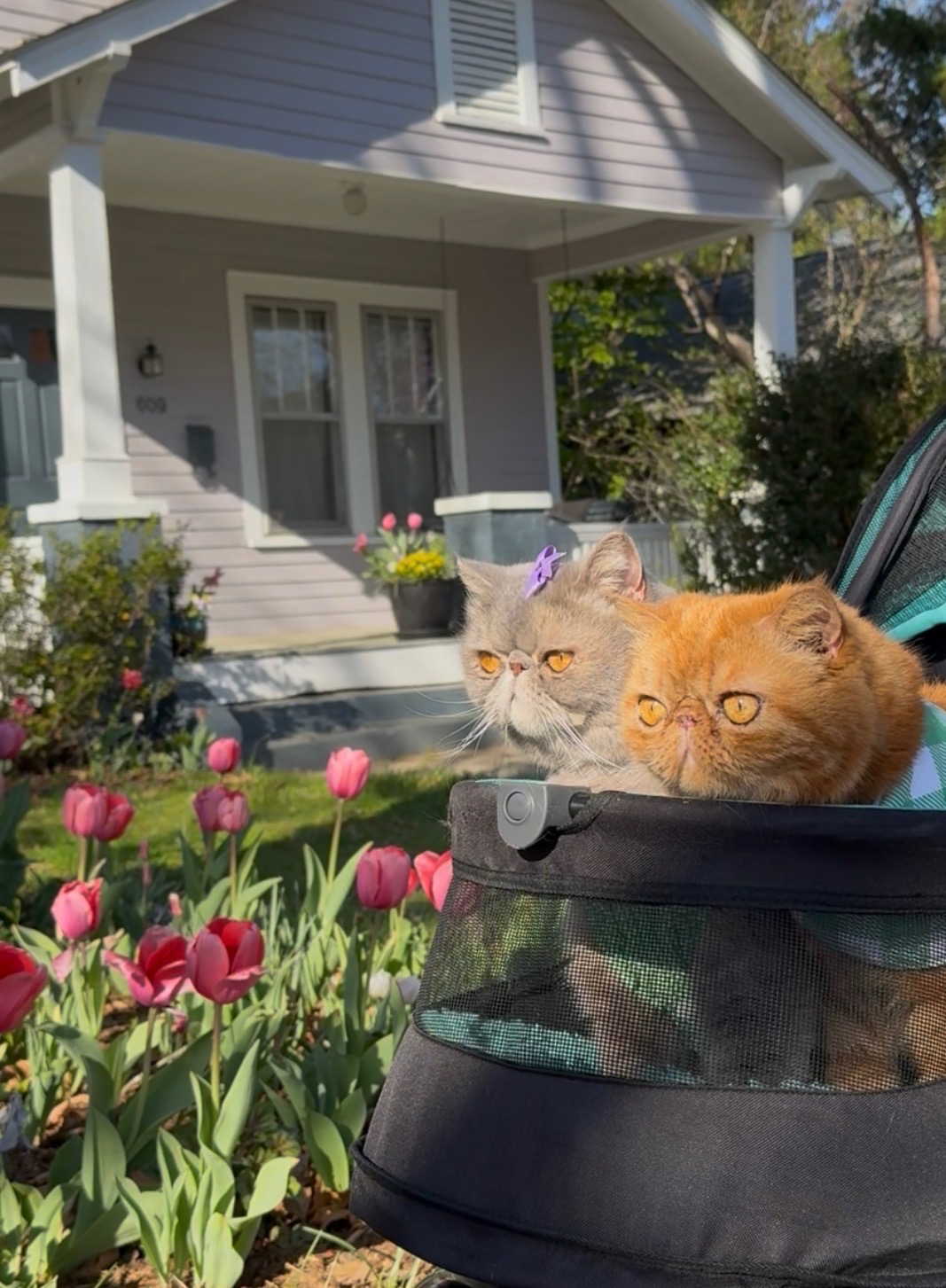
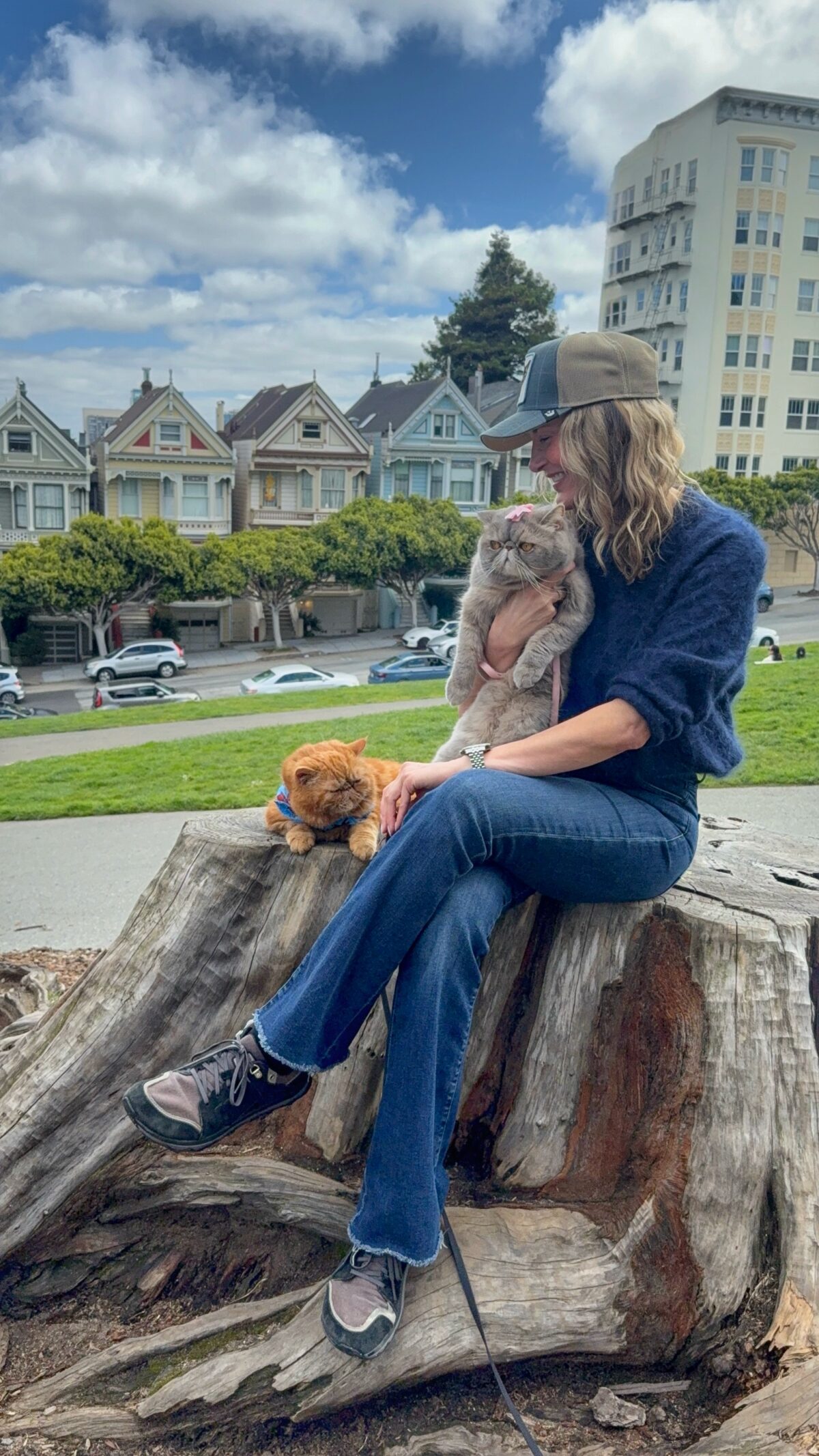
Which means spring is trying, the sun is flirting with us through the windows, and Meowmie keeps saying things like “just a few more weeks” while we supervise dis very closely.

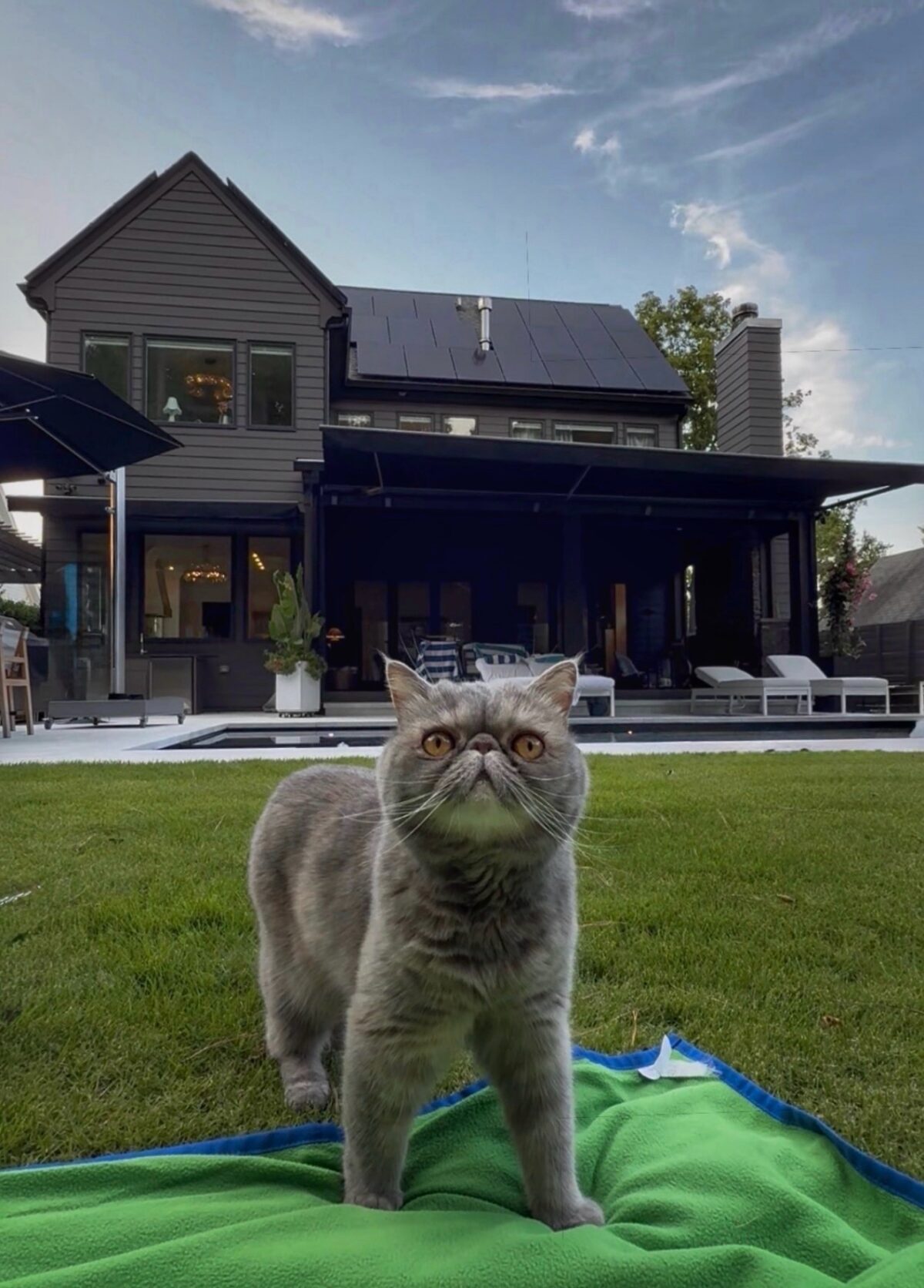
Pecan Pie here. I’d like to formally announce that I am ready for dis catio season. Birds are louder. Breezes are suspicious. Blankets are optional but still preferred.

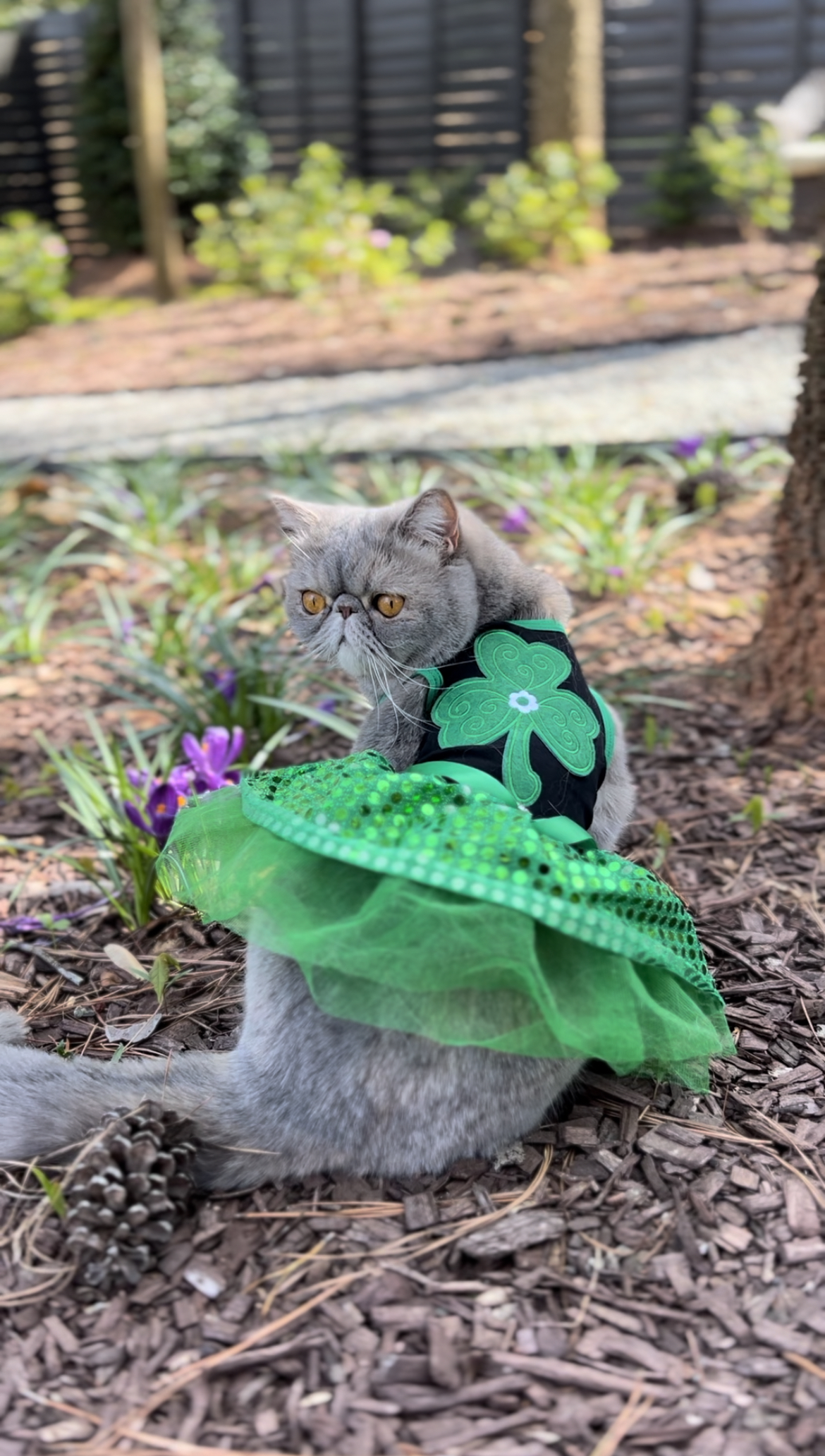
Lady Blue checking in. I am not fooled by “spring.”
However, I do enjoy a warm sunbeam, fresh air, and being dramatically carried outside like the delicate flower I am.

March always brings a shift — lighter days, open doors, and more conversations about being outside together. For many families, that includes meaningful moments with their pets, spent in favorite places: a yard, a porch, under a tree, or wherever love lives best.

That’s why this month’s Mews Letter includes something important from Meowmie and her team — thoughtful guidance around outdoor goodbyes, including when they can be beautiful… and when they may not be the best choice.

We’ll let the humans handle the serious details (they’re good at that).
We’re just here to remind you that comfort, safety, and love always come first — whether that’s indoors, outdoors, or directly in the sunniest spot on the rug.

With whiskers, supervision, and very strong opinions,
Pecan Pie 🧡 & Blueberry Biscuit 💙

https://azureholland.com/considering-an-outdoor-goodbye-as-the-weather-warms/

Considering an Outdoor Goodbye as the Weather Warms

A thoughtful guide for families

As the weather warms, many families begin asking about the possibility of saying goodbye outdoors — in a backyard, garden, or other meaningful space. For some pets and families, an outdoor farewell can feel deeply personal and beautiful.

At the same time, outdoor appointments require additional thought and planning. Below are a few important considerations to help you decide whether this option is the right fit for your pet on the day of their visit.

Is your pet truly comfortable outdoors?

Some pets love being outside. Others enjoy it in short bursts but become overstimulated or unsettled when they cannot move freely.

Ask yourself:

  • Does your pet regularly rest and relax outdoors?
  • Are they accustomed to lying quietly outside, or are they typically alert, pacing, or on watch?

If your dog usually spends time chasing squirrels, watching birds, or reacting to every sound in the neighborhood, it may be more difficult for them to fully relax and settle into sedation outdoors.

Consider the environment around you

Outdoor spaces come with variables we cannot always control:

  • Lawn equipment, traffic, neighbors, or nearby construction
  • Wildlife activity
  • Sudden noises or movement

Even gentle distractions can make it harder for a pet to feel calm during sedation, which is an important part of ensuring a peaceful experience.

Temperature and humidity matter — more than most people realize

The single most important consideration for an outdoor appointment is temperature and humidity.

In warm or humid conditions:

  • Sedated pets can have more difficulty regulating their breathing
  • Heat and humidity may increase respiratory effort once sedation begins
  • Overall comfort and safety can be affected more quickly than in an indoor setting

For this reason, outdoor farewells may not be recommended on particularly hot or humid days, even when the outdoor space itself feels meaningful.

Sedation outdoors can be more complex

In our experience, pets often require more time — and sometimes more medication — to fully relax outdoors due to environmental stimulation.

This may lead to:

  • A longer sedation process
  • Increased medication to achieve adequate relaxation
  • Lower blood pressure as sedation deepens
  • Greater difficulty placing an IV catheter once sedation has taken effect

Our goal is always to minimize intervention and support the gentlest possible transition.

Comfort of the space matters

When planning an outdoor farewell, the comfort of the physical space itself is an important — and often overlooked — consideration.

Uneven ground, stone patios, or hard surfaces can make it more difficult for a sedated pet to remain comfortably positioned. A level, padded surface such as a blanket or bed helps support relaxation and stability throughout the visit.

Warm weather can also bring increased insect activity. Flies, mosquitoes, and other insects may be distracting or uncomfortable for pets during sedation and may require gentle repositioning or covering to maintain comfort.

These details may seem small, but they can meaningfully affect how peaceful the experience feels for your pet.

Flexibility on the day of the visit

Even with careful planning, outdoor appointments may need to shift indoors based on how your pet is responding, changing weather, or environmental factors.

Being open to this flexibility allows us to prioritize comfort above all else.

Our guiding principle

Outdoor farewells can be beautiful — but they are never chosen for aesthetics alone.

Every recommendation we make is rooted in:

  • Your pet’s comfort
  • Medical safety
  • A peaceful, unhurried experience

Our role is to guide, not rush, and to help you choose the setting that best supports your pet on that day.

The most meaningful goodbye is not defined by location, but by the gentleness of the experience and the care taken at every step.


More info on our Services


Supporting the Companions Who Carry On

Helping dogs and cats navigate the loss of a beloved companion
By Dr. Azure Holland

Just as people do, our pets form profound bonds with one another. When a companion dies, the animals who remain often experience their own form of grief—expressed not in words, but through subtle shifts in behavior, appetite, energy, or routine.

At Azure Holland, we believe care does not end at the moment of goodbye. We hold space for the entire family, including the dogs and cats who must learn how to move forward without a familiar presence beside them.

Some pets may appear unchanged. Others may grow quieter, more watchful, restless, or unusually attached. All of these responses are normal. Grief, for animals as for humans, is deeply individual.

Gentle Ways to Support a Grieving Pet

Allow acknowledgment, when appropriate.
If circumstances allow, letting a surviving pet see or gently investigate their companion after death may help them understand the change that has occurred.

Preserve familiar rhythms.
Consistent mealtimes, walks, and bedtime rituals provide reassurance and stability during a time of emotional disruption.

Offer quiet connection.
Soft affection, shared presence, and low-key play can help your pet feel safe without asking too much of them.

Encourage thoughtful social engagement.
For some pets, gentle interaction with other animals can restore confidence and curiosity. This may look like time with a trusted friend’s pet, a calm walk during quiet hours, or a relaxed group class. Always move slowly and follow your pet’s cues.

Create moments of comfort.
A favorite treat, a new toy, or a supportive bed can bring small but meaningful relief. Pets, like people, feel cared for when love is expressed in ways they understand.

Prioritize enrichment.
Mental stimulation—puzzle feeders, scent exploration, window watching, or novel toys—can ease anxiety and gently reintroduce joy.

Observe with intention.
Temporary changes are expected. However, if appetite loss, withdrawal, or distress persists, your primary veterinarian may be able to offer guidance or medical support.

Consider calming supports.
Pheromone diffusers, gentle supplements, sprays, or calming wraps can be helpful tools during this transition.

Practice patience.
There is no timeline for grief. Some pets adjust quickly; others need extended reassurance, consistency, and space.

You do not have to navigate this alone. Caring for one pet while mourning another can feel heavy, and support matters. If you would like additional guidance, we invite you to visit the resources available on our website or reach out to our team.

Every life matters.
Every bond is sacred.

If you have questions or concerns about your pet’s emotional or physical well-being after the loss of a companion, please don’t hesitate to call, text or email us. We are here to help.

919.600.1841

team@azureholland.com

Read the kitties perspective here


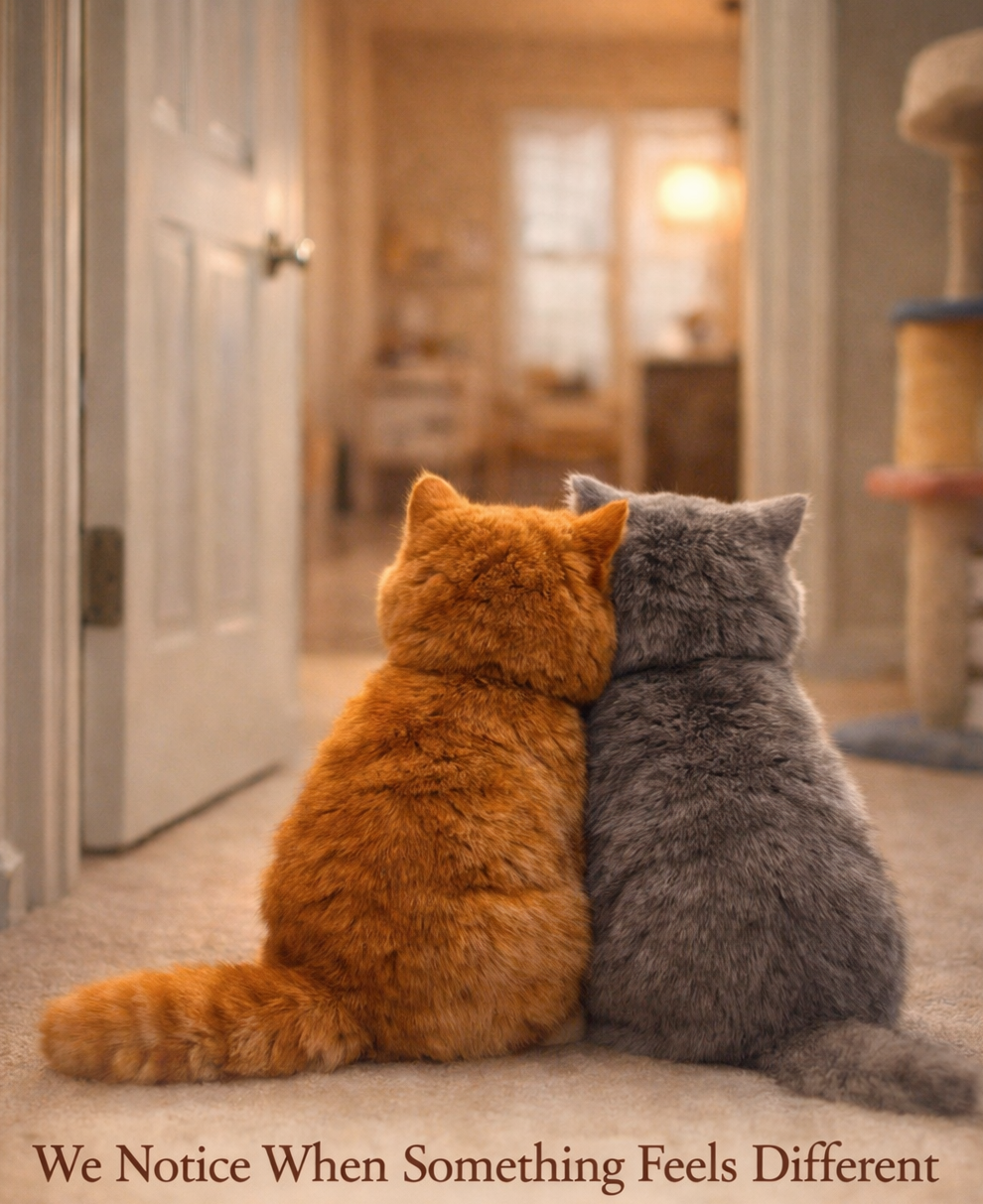
We Notice When Something Feels Different

We may not understand words the way humans do, but we understand change.

We notice when dis house sounds different.
When footsteps don’t arrive where they used to.
When a favorite spot stays empty a little longer than expected.

We notice when meowmie pauses in rooms she once moved through without thinking.
When routines soften.
When the air feels heavier, even though everything looks the same.

Sometimes we wait.
By doors that no longer open.
In places where someone once curled up beside us.
Not because we expect them to return—
but because remembering feels important.

Grief doesn’t always look like sadness.
Sometimes it looks like listening more closely.
Sleeping differently.
Staying nearer than usual.

We feel it too.

And while we don’t rush our feelings, we don’t walk through them alone.
We lean into warmth.
We follow familiar rhythms.
We accept comfort when it’s offered—sunlight on the floor, a gentle hand, a quiet moment shared.

If you’re noticing changes in us after losing a companion, please know dis:
Nothing is wrong.
We’re adjusting, just like you.

Meowmie says that love doesn’t disappear when someone leaves—it changes shape.
We think that’s true.

We’ll carry on together.
One soft moment at a time.

With love,
Pecan Pie & Blueberry Biscuit