🌸 March Mews 🌸

from Pecan Pie & Blueberry Biscuit 

(as dictated by two extremely involved cats)

Hello friends, neighbors, admirers, and people who keep snacks in their pockets,

It’s March.
Which means spring is trying, the sun is flirting with us through the windows, and Meowmie keeps saying things like “just a few more weeks” while we supervise dis very closely.

Pecan Pie here. I’d like to formally announce that I am ready for dis catio season. Birds are louder. Breezes are suspicious. Blankets are optional but still preferred.

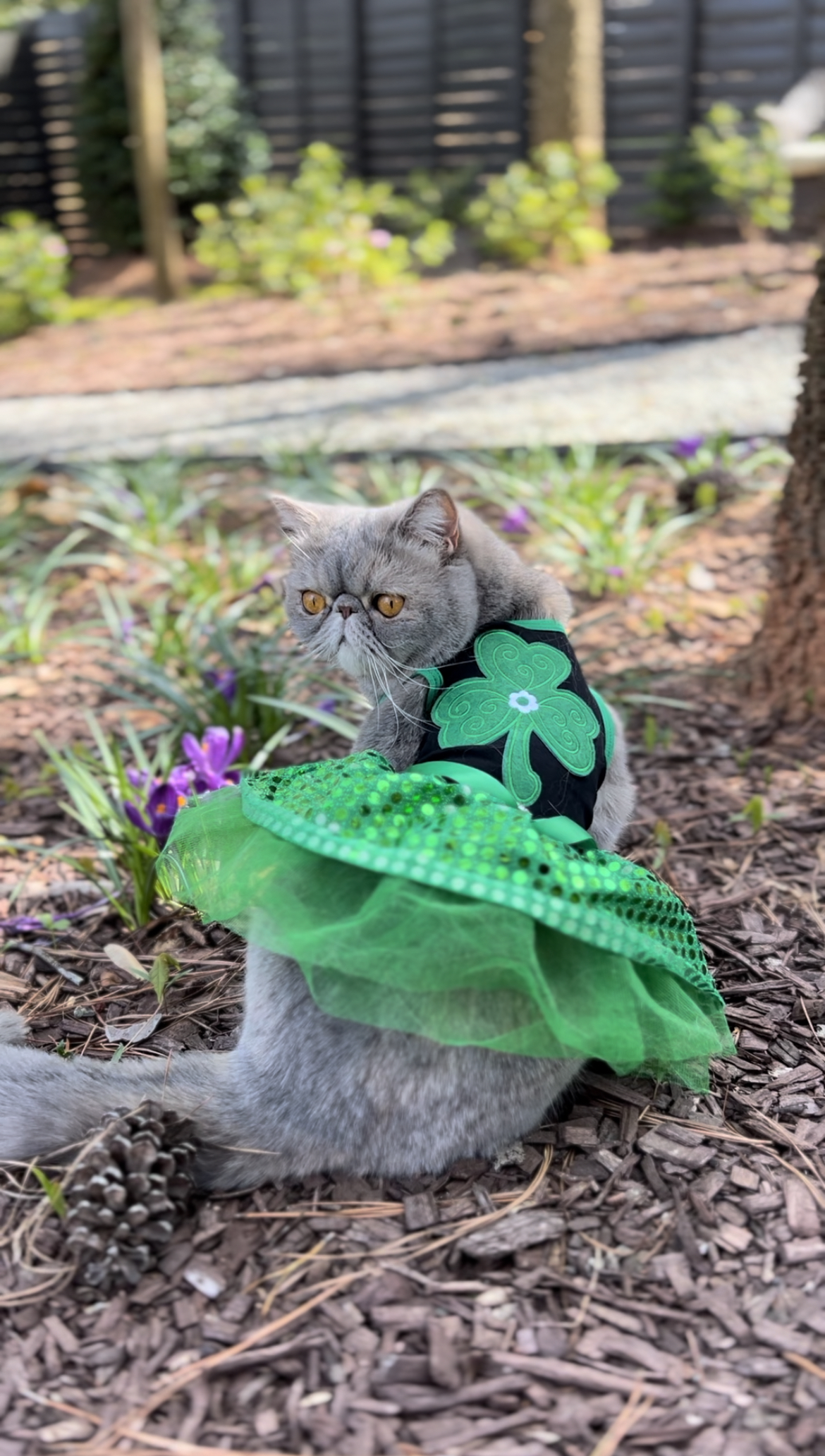
Lady Blue checking in. I am not fooled by “spring.”
However, I do enjoy a warm sunbeam, fresh air, and being dramatically carried outside like the delicate flower I am.

March always brings a shift — lighter days, open doors, and more conversations about being outside together. For many families, that includes meaningful moments with their pets, spent in favorite places: a yard, a porch, under a tree, or wherever love lives best.

That’s why this month’s Mews Letter includes something important from Meowmie and her team — thoughtful guidance around outdoor goodbyes, including when they can be beautiful… and when they may not be the best choice.

We’ll let the humans handle the serious details (they’re good at that).
We’re just here to remind you that comfort, safety, and love always come first — whether that’s indoors, outdoors, or directly in the sunniest spot on the rug.

With whiskers, supervision, and very strong opinions,
Pecan Pie 🧡 & Blueberry Biscuit 💙

https://azureholland.com/considering-an-outdoor-goodbye-as-the-weather-warms/

Supporting the Companions Who Carry On

Helping dogs and cats navigate the loss of a beloved companion
By Dr. Azure Holland

Just as people do, our pets form profound bonds with one another. When a companion dies, the animals who remain often experience their own form of grief—expressed not in words, but through subtle shifts in behavior, appetite, energy, or routine.

At Azure Holland, we believe care does not end at the moment of goodbye. We hold space for the entire family, including the dogs and cats who must learn how to move forward without a familiar presence beside them.

Some pets may appear unchanged. Others may grow quieter, more watchful, restless, or unusually attached. All of these responses are normal. Grief, for animals as for humans, is deeply individual.

Gentle Ways to Support a Grieving Pet

Allow acknowledgment, when appropriate.
If circumstances allow, letting a surviving pet see or gently investigate their companion after death may help them understand the change that has occurred.

Preserve familiar rhythms.
Consistent mealtimes, walks, and bedtime rituals provide reassurance and stability during a time of emotional disruption.

Offer quiet connection.
Soft affection, shared presence, and low-key play can help your pet feel safe without asking too much of them.

Encourage thoughtful social engagement.
For some pets, gentle interaction with other animals can restore confidence and curiosity. This may look like time with a trusted friend’s pet, a calm walk during quiet hours, or a relaxed group class. Always move slowly and follow your pet’s cues.

Create moments of comfort.
A favorite treat, a new toy, or a supportive bed can bring small but meaningful relief. Pets, like people, feel cared for when love is expressed in ways they understand.

Prioritize enrichment.
Mental stimulation—puzzle feeders, scent exploration, window watching, or novel toys—can ease anxiety and gently reintroduce joy.

Observe with intention.
Temporary changes are expected. However, if appetite loss, withdrawal, or distress persists, your primary veterinarian may be able to offer guidance or medical support.

Consider calming supports.
Pheromone diffusers, gentle supplements, sprays, or calming wraps can be helpful tools during this transition.

Practice patience.
There is no timeline for grief. Some pets adjust quickly; others need extended reassurance, consistency, and space.

You do not have to navigate this alone. Caring for one pet while mourning another can feel heavy, and support matters. If you would like additional guidance, we invite you to visit the resources available on our website or reach out to our team.

Every life matters.
Every bond is sacred.

If you have questions or concerns about your pet’s emotional or physical well-being after the loss of a companion, please don’t hesitate to call, text or email us. We are here to help.

919.600.1841

team@azureholland.com

Read the kitties perspective here


How do I know when it is time to put my pet to sleep?

This is one of the hardest questions I get asked.  I have recently told a family to talk to your pet, they will tell you when it is time.  That may sound like strange advice, put it is true.  As pet owners we all know when our pet is trying to tell us something.  I have met with folks that often struggle with this issue and I have used the quality of life scale developed by Dr. Alice Villalobos as a guide to help owners access their pet’s current quality of life.  I have posted Dr. Villalobos scale for you to download and work through.  Please feel free to call me to discuss your pet’s specific situation, I always offer free consultations.  I am honored to serve familes with my mobile vet service in Raleigh, Durham and Chapel Hill.

Quality Of Life worksheet

Azure