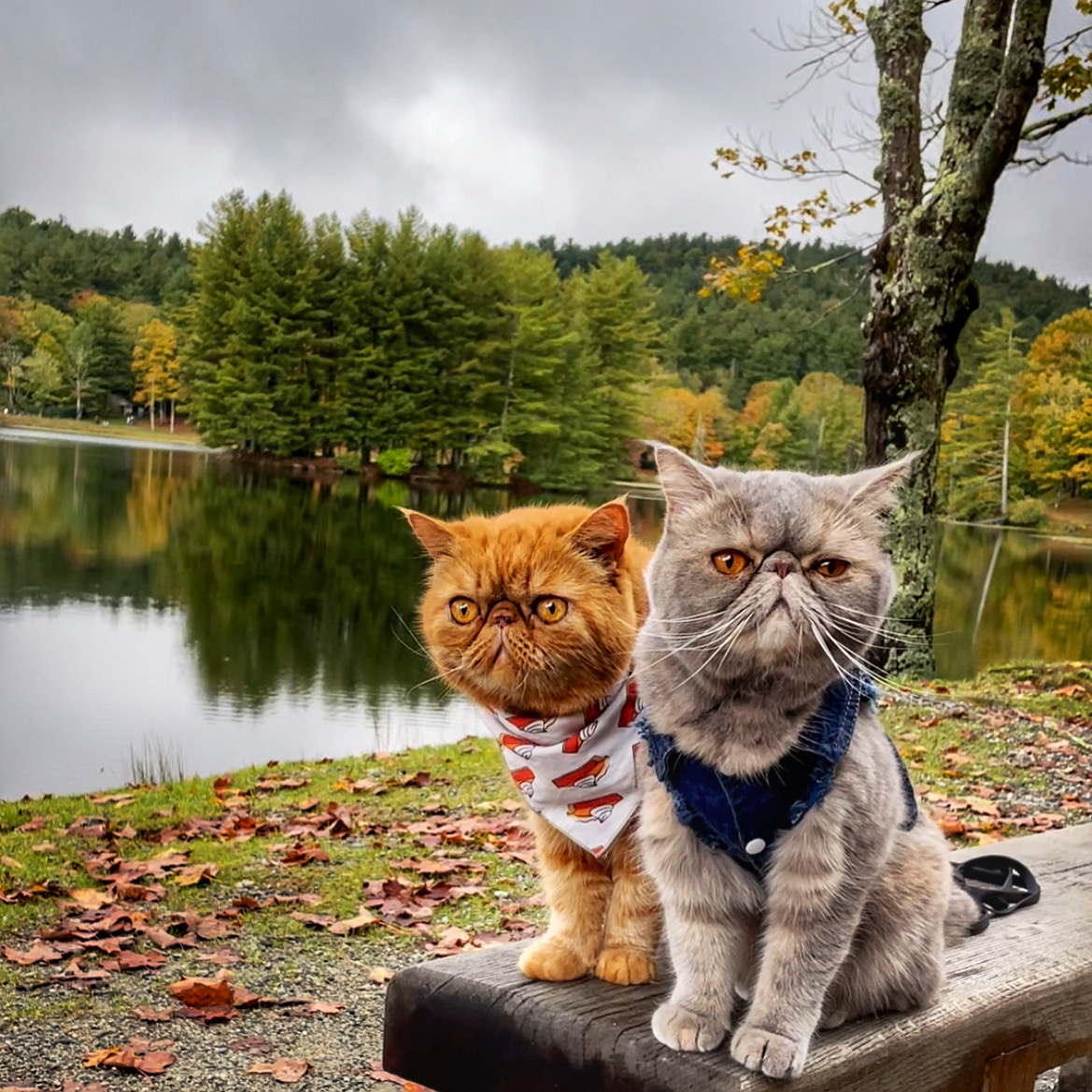
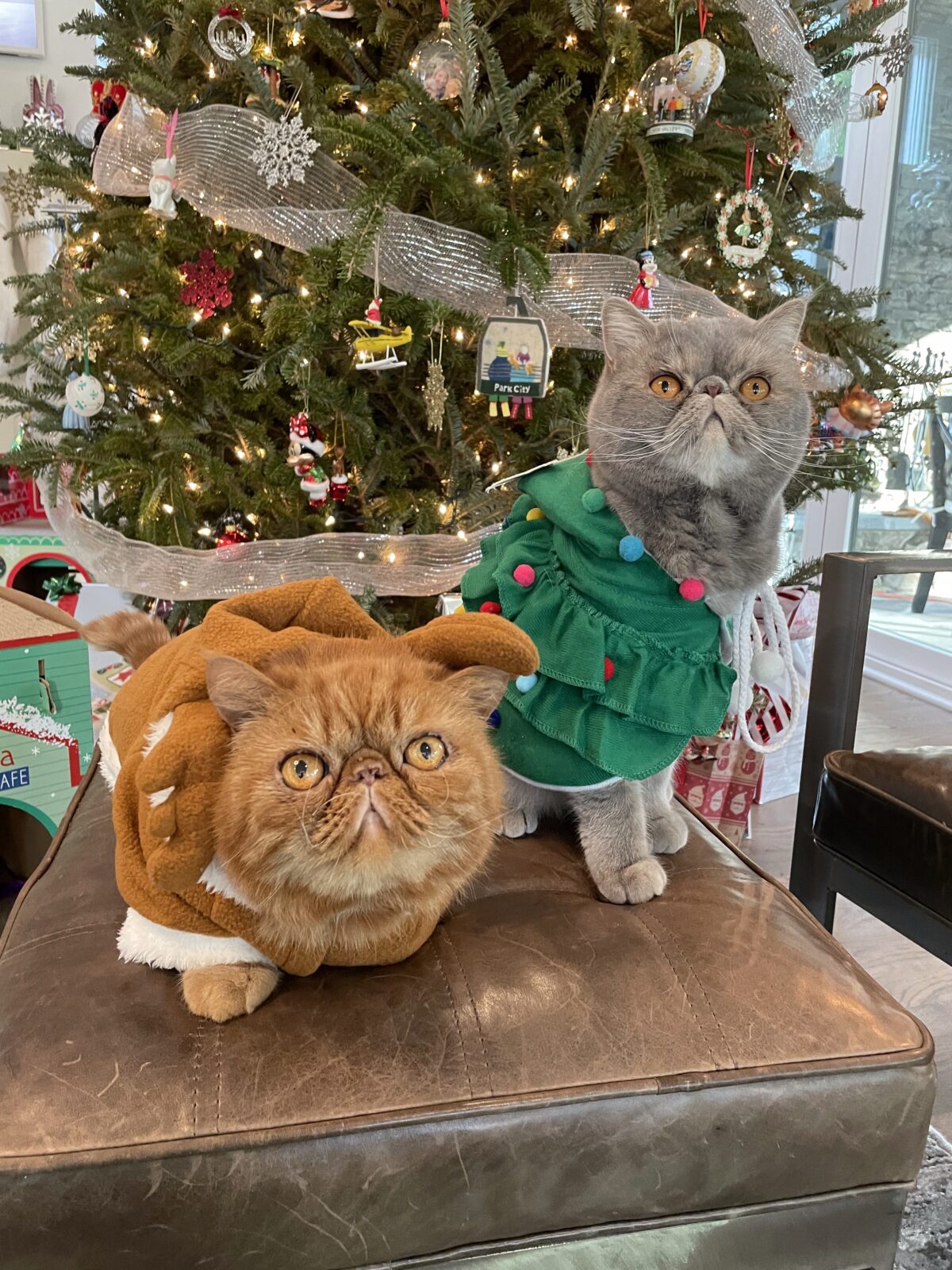
The 12 Days of Togetherness

By Pecan Pie & Blueberry Biscuit

Holiday rituals don’t have to be big or fancy. From where we sit (usually somewhere soft), dis most meaningful moments are the quiet, familiar ones we share with you.

We thrive on routine, presence, and togetherness. The little traditions you create with us become comforting anchors year after year.

The 12 Days of Togetherness

Simple, heartfelt rituals that make the holidays warmer for pets and people alike.

✨ A Holiday Light Ride

One of our favorite rituals is going to see the Fieldstream Farm Christmas Lights.

Every season, Meowmie bundles us up, turns on da Christmas playlist, and drives us slowly through glowing displays.

Blueberry Biscuit curls into Meowmie’s lap like she’s settling in for a beditime story.
Pecan Pie watching every twinkle, whiskers forward and focused.

The window opens just a crack so we can smell the cold winter air.
The music plays.
The lights dance.                                                            

And the world feels soft and peaceful.

It’s not extravagant. It’s not complicated.

But it’s ours — a shining moment of togetherness.

✨ Day 2: Candlelight Story Night

Turn down the lights, switch on flameless candles, and read a holiday story while we curl up beside you.
We don’t need to understand the words — we feel the calm in your voice.

✨ Day 3: Holiday Music Snuggle Sessions

Soft music, warm laps, no agenda. Even five minutes of just being togetherness can reset everyone.

✨ Day 4: Pet-Friendly Treat Baking Day

While human cookies bake, whip up a simple pet-safe snack. We will gladly volunteer to taste-test.

✨ Day 5: Nightly “Tree Time”

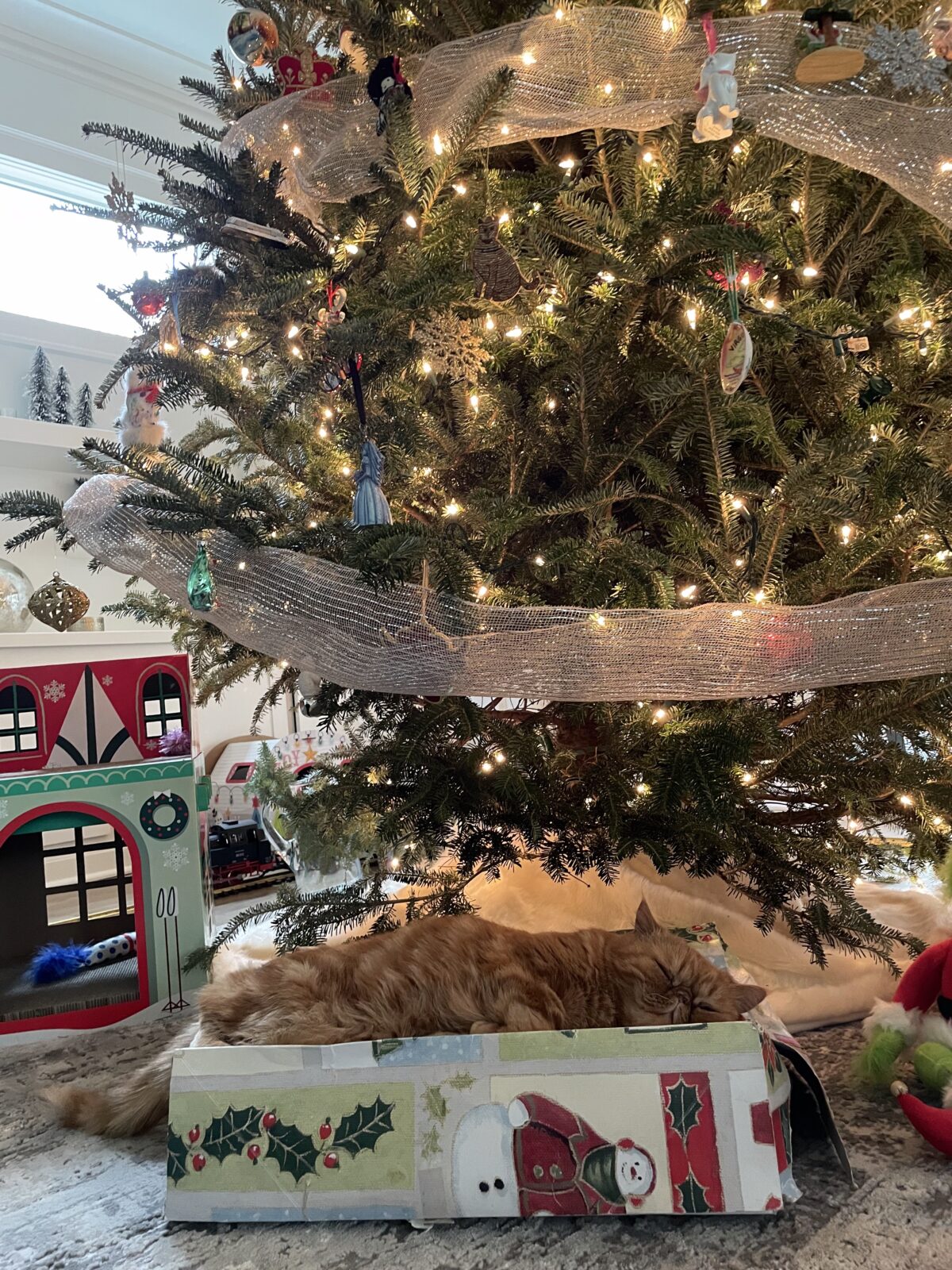
Sit with us by the tree each night.
Lights glowing. Paws tucked. Deep breaths.
Dis is where the season settles in your heart.

✨ Day 6: First Frost Morning Walk

Perfect for dogs and adventure kitties.
A slow sunrise stroll or stroller ride on da first frosty morning — crisp air, new smells, shared wonder.

✨ Day 7: A Yearly “Memory Moment” Photo

Not posed — just a real-life snapshot:
a nap by the tree, a window gaze, a couch cuddle.
A tiny moment that becomes a sweet keepsake.

✨ Day 8: Bedtime Gratitude Ritual

A gentle ear rub or brushing while you think about what you love about us.
We feel every ounce of that love.

✨ Day 9: A Small Gift to Open Together

A simple toy wrapped in tissue paper is more than enough.
It’s the shared excitement that makes it magic.

✨ Day 10: Morning Coffee & Cats

A warm drink, a porch or window, and us by your side before the day speeds up.
A soft start to a bright day.

✨ Day 11: Let Us “Help” With Holiday Cards

If we sit on your envelopes or rest a nose on your arm…
we’re adding our artistic flair. You’re welcome.

✨ Day 12: Starry Night Pause

Step outside with us for a quiet moment under the winter sky.
Bundle up, hold us close, and breathe in dis cold night air together.
The stillness, the stars, the closeness — a perfect final ritual of togetherness.

Why These Moments Matter (From Us)

Holiday magic isn’t hiding in the busiest days or the longest to-do lists.

It’s in the small pauses:
the breath,
the warmth,
the stillness of knowing we’re together.

We don’t need grandeur.
We need presence.
We need you.

The traditions you share with us — big or small — become the memories that glow in your heart long after the season ends.

With love and purrs,

Pecan Pie & Blueberry Biscuit
Paws, Presents & Holiday Traditions

 A Pet-Friendly Guide to the Merriest Season

By Pecan Pie & Blueberry Biscuit (with Meowmie, Dr. Azure Holland)

The holidays at our house start with one sound:
tissue paper. 

As soon as we hear that crinkle, we arrive on the scene — nose-first into the gift wrap container.. Pecan Pie handles ribbon inspection. Blueberry Biscuit is dis head of “quality control,” which mostly means sitting on everything that needs wrapping.

If you share your home with pets, you know we don’t just live in your traditions… We help shape them. Here’s how to keep those sweet moments safe, cozy, and calm for all of us.

1. Pet-Safe Greenery & Holiday Plants

Holiday greenery looks beautiful — but some plants are not our friends.

Plants to Avoid or Place High:

  • Poinsettias – can cause mild tummy upset
  • Holly & Mistletoe – can cause more serious GI issues
  • Amaryllis – can cause vomiting, drooling, tremors
  • Lilies – extremely toxic to cats; even a tiny amount is dangerous

Safer Greenery Options:
✔️ Faux garlands
✔️ Rosemary topiaries
✔️ Pet-safe evergreens placed out of reach
✔️ Simple winter branches or dried oranges

Your home still feels festive, and we stay healthy — a Purr-fect combination.

2. Wrapping Gifts Without Worry

Gift wrapping is… thrilling. So many sounds! So many textures! So many things we think must be toys!

For cats like us:
Ribbon, tinsel, string, and yarn can be very dangerous if swallowed — they can cause serious intestinal problems.

Please:
✔️ Keep them stored securely
✔️ Pick up scraps right away
✔️ Consider fabric ribbons, decorative twine, or simple tissue instead

Pet-safe gift bags mean you still get the “pretty” without the hazards.

(Pecan Pie says: “If it wiggles, I boop it. Plan accordingly.”)

For dogs:
Dogs are gift detectives. They can sniff out food through wrapping paper.

Please keep out from under the tree:

  • Chocolate
  • Sugar-free items with xylitol
  • Raisins, nuts, jerky
  • Food-scented candles or soaps

Store edible gifts higher until it’s time to share them with humans only.

️ 3. Creating a Holiday Zen Space for Pets

We love the excitement… but we also need a break.

Guests. Packages. New smells. Music. Rearranged furniture. It’s a lot for paws and whiskers to process.

That’s where a Holiday Zen Zone comes in — a special, cozy spot where we can retreat, rest, and reset when the festivities feel big.

Build Your Pet’s Holiday Zen Zone:

  • A soft bed or crate in a quiet room
  • A favorite blanket that smells like “home”
  • Fresh water
  • A long-lasting chew or puzzle feeder for dogs
  • A simple toy or scratcher for cats
  • Calming music or white noise
  • Soft or dimmable lighting

For the extra spoiled pets who want to be part of the theme (hi, that’s us), these cozy hideaways make it feel like we’re decorating too — just with more napping.

A holiday scratcher house (like the Target Christmas-themed ones) for us to hide, nap, and scratch

Perfect for:
✔️ Senior pets
✔️ Anxious or noise-sensitive pets
✔️ Pets who need a break during gatherings
✔️ Puppies & kittens who get tired quickly
✔️ Any pet who loves a snuggly hideaway
✔️ The “I deserve my own holiday suite” crowd

A Zen Zone helps us feel grounded and safe — truly one of the best gifts you can give.


Decorate With Us!

Creating a Safe, Cozy Holiday Home for Pets

By Pecan Pie & Blueberry Biscuit (with a little help from Meowmie, Dr. Azure Holland)

Hello, friends! It’s us — Pecan Pie and Blueberry Biscuit.
We are the official holiday decorating supervisors in our house. The holidays begin the moment the storage boxes appear… and so do we.

We know your pets are probably just as curious as we are. So we wanted to share a few tips — from a pet’s-eye view — on how to decorate for da holidays in a way that feels safe, calm, and cozy for everyone.

1. Begin With a Calm, Cozy Environment

Before you hang even one ornament, your pets are already taking it all in. Boxes. Tape. Furniture moving. New smells. It’s a lot.

For cats like us:

  • We love a designated perch nearby — a soft blanket, window seat, or cat tree where we can watch the action unfold..
  • A favorite toy or scratcher helps us redirect our zoomies away from the tree.
  • Let us supervise from a safe distance; we’re very good at su-purr-vision.

For dogs:

  • A long-lasting chew or snuffle mat keeps them happily busy while you rearrange things.
  • Let them stay where they can see you but not be underfoot (or under-tree).
  • Senior or anxious pups may appreciate a quiet, cozy corner.

A calm setup helps us feel safe before the big, sparkly tree even arrives.

2. Bringing the Tree Inside — Without Pets Sneaking Out

When the tree comes through the door? That’s chaos… and we love it. But it’s also the perfect moment for a cat or dog to slip outside.

Here’s how to keep us safe:

Create a Pet “Holding Zone”
Before opening the door, tuck us into a comfy room with:

  • A favorite bed or blanket
  • A familiar toy
  • Maybe a treat puzzle or chew
  • Soft background music

Use Barriers Wisely
A baby gate or exercise pen adds an extra layer of security between us and the open door.

Give Us a Job (Enrichment) Before Tree Time

  • Dogs: snuffle mat, frozen Kong, or chew
  • Cats: a quick play session, lick mat, or our favorite a Churu snack

Tired brains = less interest in door-dashing.

Teamwork Helps
If one human carries the tree and another keeps an eye on us, everyone wins.

Keep ID & Microchips Updated
More visitors, more deliveries, more open doors — updated tags and microchips are an important backup.

When the tree is finally inside and the door is closed, don’t forget to tell us we’ve been dis very good helpers. Treats appreciated.

3. Christmas Tree Safety Once It’s Inside

The tree is up. The room smells different. Everything is new. We notice.

For cats:

  • Please anchor the tree so it doesn’t tip if we investigate.
  • Avoid putting chairs or tables right next to the tree — they become perfect launch pads.
  • If you have a live tree, cover the water or skip additives; we shouldn’t be drinking from it.

For dogs:

  • Many dogs love to sneak sips of tree water — a secure cover is best.
  • Tuck away dangling cords so they’re not chew toys.
  • Sweep up fallen needles often so they don’t get stuck in paws or tummies.

Whether the tree is real or artificial, stability + supervision = happy, safe holidays.

4. Ornament Safety: What to Use & What to Skip

We admit it: shiny, dangly, jingly things are… irresistible and sometimes our paws can’t help but play.

Safer Choices:
✔️ Shatterproof ornaments on lower branches
✔️ Lightweight decorations that won’t hurt if they fall
✔️ Secure hooks that don’t pop off easily

Best to Avoid at Pet Height:
✖️ Tinsel (especially dangerous for cats if swallowed)
✖️ Fragile glass ornaments at tail-level
✖️ Edible ornaments like salt dough or popcorn garlands

Put heirloom and delicate ornaments higher on the tree, where they can sparkle safely out of paw’s reach.

️ 5. General Holiday Décor Safety

Once the tree is done, the rest of the house starts to sparkle too — and we notice all of it.

Flameless Candles, or Real Candles Out of Reach
Real flames are scary (and dangerous around tails, whiskers, and curious noses). Flameless candles give the same cozy glow.

Hide or Secure Electrical Cords
Especially if you live with a puppy or a cat who likes to chew, tucking cords away keeps everyone safe.

Go Easy on Strong Scents
Potpourri, simmer pots, and some essential oils can bother our airways or make us feel sick.

Place Tabletop Décor Out of Reach
If it’s glittery, chewable, or breakable, assume we will investigate. Higher shelves and secure placements help us all enjoy the décor without accidents.

From our paws to yours:
Decorating doesn’t just make things beautiful — it makes your home feel like a purr-fect nest. With a little planning, you can keep it festive and safe… so we can all curl up together and enjoy the glow.

Love,
Pecan Pie & Blueberry Biscuit


Fall Enrichment Idea: The Great Outdoor Leaf Box

“Hello, hoomans! It’s us — Pecan Pie & Blueberry Biscuit — here to tell you about our favorite fall activity: the Great Outdoor Leaf Box.

In the fall, the whole yard turns into dis giant crunchy playground.
Crisp leaves, new smells, sparkly sunlight, cool breezes — everything is exciting for kitty noses and whiskers. Exploring outside gives us:
✨ Sniffy-sniff enrichment
✨ Big brave kitty confidence
✨ Warm sunshine & fresh air
✨ A chance to practice our tiny wild cat moves

We love pouncing through leaves, stalking crunchy sounds, and pretending we are forest tigers (but smaller… and cuter). 

And guess what? Enrichment doesn’t have to be fancy — sometimes it’s just stepping outside with your favorite hooman and enjoying the season together.”

Indoor Version — for Our Cozy Couch Lovers:

“But we know not every kitty or pup wants to explore the Great Outdoor Leaf Box. If you prefer to stay warm and snuggly inside, Meowmie can bring dis whole leaf box experience into your home — no breezes, no jackets, no yard patrol needed.”

How to Make an Indoor Leaf Box (Kitty-Approved)

A message from the kitty babies:
“A leaf box is like bringing fall right to your paws. It’s perfect for indoor-only royalty, senior pets, shy babies, or anyone who likes their adventures soft and cozy.”

What You Need:

  • A shallow box or basket
  • Clean, dry leaves (from safe, no-chemical spots)
  • A few favorite toys or treats
  • Optional: a sprinkle of catnip for maximum joy

How to Set It Up (We Tested It Ourselves):

  1. Gather Safe Leaves
    Meowmie should pick only dry, clean leaves — no moldy or stinky ones, please.
  2. Fill the Box Lightly
    Just a few inches! Enough crunch for fun, but not so deep we disappear like tiny woodland creatures.
  3. Add Fun Surprises
    Hide some treats, toys, or a crinkle ball.
    For our doggie friends: a mini chew or scent item works great.
    For cats: catnip or silvervine = yes please.
  4. Let Us Explore
    Put the box somewhere calm. We’ll sniff, dig, crunch, and investigate at our own pace.
  5. Keep It Short & Sweet
    A few minutes is plenty for older or sensitive babies — enrichment shouldn’t feel overwhelming.
  6. Refresh Often
    Swap the leaves every few days to keep things clean and fun.

Why We Love It:

Indoor leaf boxes give pets:
✔ Crunchy, sniffy sensory fun
✔ A safe way to “forage” like a wild cat
✔ Confidence boosts for shy babies
✔ Easy enrichment for older or mobility-limited pets
✔ Cozy seasonal bonding time with our hoomans

“Fall is full of magic,”
Pecan Pie & Blueberry Biscuit
(Official Leaf Inspectors)


Do your kitty babies love the Great Outdoor Leaf Box too?”


A Meow-lloween Message from Pecan Pie & Blueberry Biscuit


(The official feline correspondents for Azure Holland, A Mobile Veterinary Service)

Hello, spooky friends!

It’s your favorite feline duo — Pecan Pie (the wise, fluffy foodie) and Blueberry Biscuit (the mysterious blue queen of sass). Halloween is creeping closer, and while humans are busy decorating with pumpkins and cobwebs, we’re here to make sure your pets stay safe, cozy, and totally un-spooked.

Because trust us — one unexpected “BOO!” and we’ll be under the bed until Thanksgiving.


1. Keep the Treats for the Humans

We know it’s tempting to share a little candy love, but chocolate and artificial sweeteners like xylitol are a serious no-nofor pets. Even small amounts can be dangerous.
Our tip: Stick to pet-safe goodies! Pecan loves a crunchy cat treat, and Biscuit swears by a little pumpkin purée snack.


 2. Watch the Door (and the Monsters Who Knock)

Halloween means doorbells, costumes, and strangers — basically, a cat’s worst nightmare.

Our tip: Give pets a quiet space away from the action. A soft bed, calming music, and maybe a few extra treats will help everyone keep their cool.

If your pet tends to bolt when the door opens, make sure they have up-to-date ID tags and microchips — just in case they decide to join the neighborhood ghost parade.


️ 3. Costume with Care

We’ll admit it — we’ve been known to rock a pumpkin hat or two (for the ‘Gram, obviously). But costumes should never be too tight, restrictive, or itchy.

Our tip: Let your pet try it on early. If they freeze, flop, or give you that look — maybe skip the outfit and go for a festive bow tie or bandana instead.


4. Decorations Can Be Tricky (Literally)

Those flickering candles, string lights, and fake cobwebs are fun until someone (we won’t name names) tries to eat them.

Our tip: Keep décor out of reach, use battery-powered candles, and skip anything with dangling strings that look like toys.


5. Create a Calm Zone

For sensitive pets — especially seniors or those with anxiety — Halloween can feel overwhelming.

Our tip: Create a cozy “safe zone.” Use a familiar blanket, a diffuser with calming pheromones, and maybe even some gentle background noise (our favorite is a “Rainy Cat Nap” playlist).


From Our Porch to Yours

Whether your Halloween plans involve haunted houses or cozy couch cuddles, remember that this night should be fun, not frightful for your furry family.

We’ll be celebrating with a candlelight nap, a warm blanket, and a few pumpkin-flavored cat treats (because obviously, we’re festive).

Stay safe, stay snuggly — and may your night be filled with more treats than tricks!

Love and purrs,
Pecan Pie & Blueberry Biscuit
@pecanpie_and_blueberrybiscuit


Supporting the companions who carry on

Thoughts on helping dogs and cats grieve the loss of their beloved companion

By Dr. Holland

Just like people, our pets form deep bonds with one another. When a companion passes, the surviving pets may experience their own version of grief—often expressed through changes in behavior, appetite, or routines. At Azure Holland, we believe in holding space for every member of the family, including the furry ones who are still with us.

Whether they shared a bed, a bowl, or just quiet time in the same room, dogs and cats often notice and mourn the absence of a friend. While some pets may seem unaffected, others may become withdrawn, restless, or clingy. All of these responses are valid.

Ways to Support Grieving Pets:

  • Let them say goodbye. When appropriate, allowing the surviving pet to see or sniff their companion after passing may help them understand that their friend is gone.

  • Keep routines as steady as possible. Mealtimes, walks, and bedtime rituals offer a sense of normalcy and comfort.

  • Offer extra connection. Gentle affection, time together, and low-key play can help your pet feel safe and supported.

  • Encourage healthy social time. For some pets, gentle introductions to new animal friends can help restore confidence and curiosity. This might mean visiting a trusted friend’s pet, a quiet dog park during off-peak hours, or enrolling in a relaxed group class. Go slowly, and follow your pet’s lead.

  • Treat them to something special. A favorite snack, a new toy, or a soft new bed can bring small moments of comfort. Just like us, pets appreciate kindness expressed through their love languages—especially tasty ones.

  • Enrichment matters. For cats and dogs alike, mental stimulation—like puzzle feeders, new toys, window watching, or scent walks—can ease anxiety and bring gentle joy back into their days.

  • Watch for changes. A temporary shift in behavior is natural, but if your pet stops eating, seems depressed, or shows signs of distress, your family veterinarian may be able to help.

  • Use calming aids if needed. Pheromone diffusers, gentle supplements, sprays or calming wraps can offer support through the transition.

  • Be patient. Grief has no timeline. Some pets rebound quickly; others may need time, reassurance, and space.


You’re not alone in this. If you’re navigating the loss of one pet while caring for another, we’re here to help. Please check out this page on our website if you’d like additional resources.


Every life matters. Every bond is sacred.


If you need additional support or have questions about your pet’s emotional or physical well-being after the loss of a companion, please don’t hesitate to reach out to us. We’re here to help.


This post contains affiliate links. As an Amazon Associate, I may earn a small commission from qualifying purchases at no additional cost to you. I only recommend products I genuinely use and believe in. Thank you for supporting this blog!

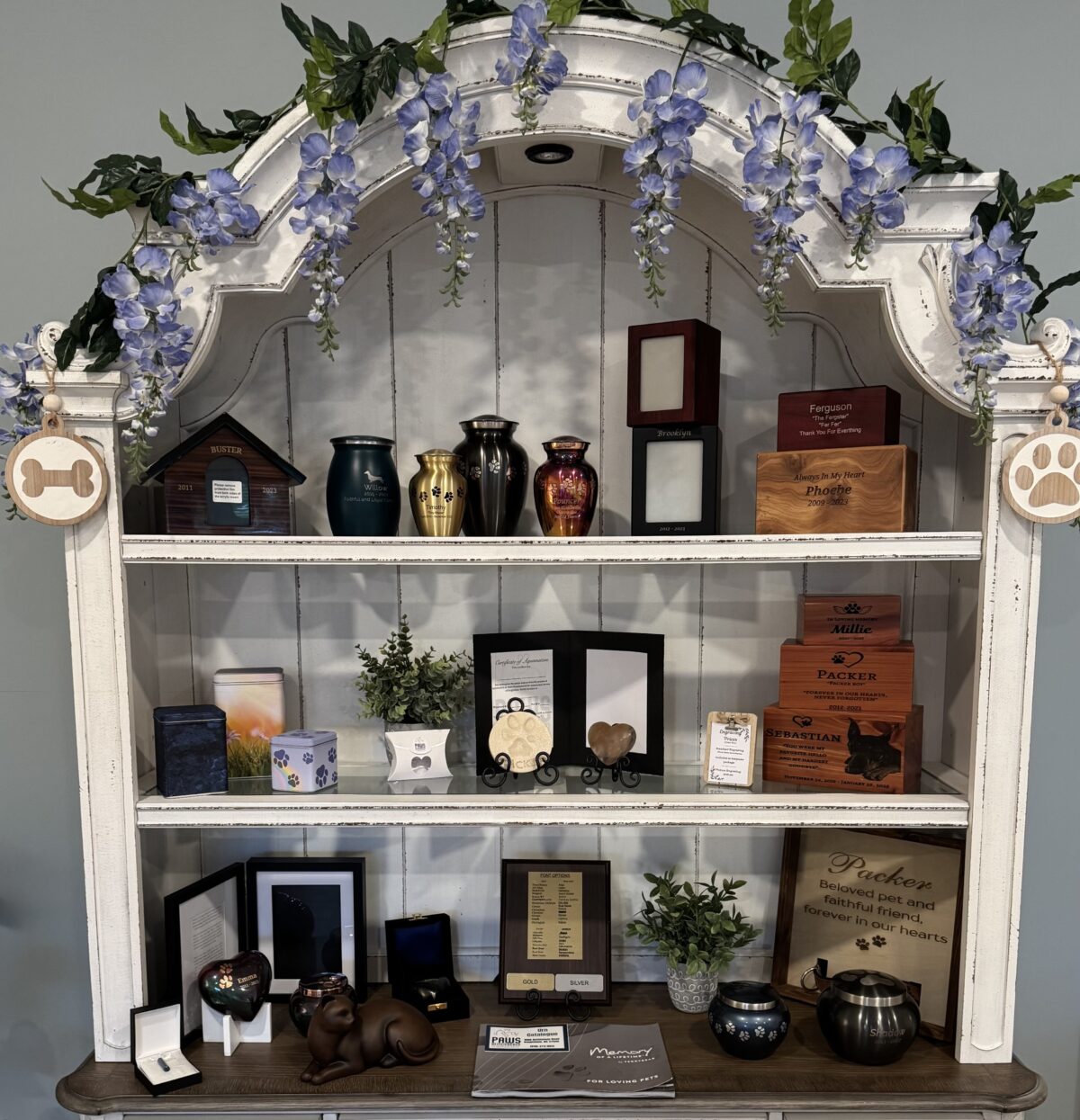
A blog from Brad at Paws Remembered Pet Aquamation Service in Knightdale

 A Gentle Farewell for Your Beloved Companion

Losing a pet is one of the most heartbreaking experiences for any pet owner. In such moments, finding a way to honor and cherish the memories of your pet becomes essential. Paws Remembered Pet Aquamation Service offers a compassionate and eco-friendly alternative to traditional cremation, helping you say goodbye to your furry friend with dignity.


What is Aquamation?

Aquamation, also known as water cremation or alkaline hydrolysis, is a gentle and sustainable process that uses water, low heat, and a small amount of alkali to break down organic materials. Unlike traditional cremation, which uses high heat and can release harmful gases, aquamation is a cleaner, more environmentally responsible option.

During the aquamation process, the pet’s body is placed in a chamber where it is exposed to a mixture of warm water and alkali solution. Over several hours, the body is naturally broken down, leaving behind only bone fragments. These bones are then processed into a fine powder, similar to ashes from cremation, and returned to the pet owner in a keepsake urn.

Why Choose Aquamation?

Aquamation is not only an eco-friendly choice, but it also provides a more gentle way to say farewell to a pet. The process is less traumatic compared to high-heat cremation, ensuring that your pet is treated with the utmost respect and care. Plus, it offers a greener solution, as it uses significantly less energy and produces no harmful emissions.

At Paws Remembered Pet Aquamation Service, we understand the deep bond between pets and their owners. Our team is committed to helping families honor their pets’ lives in a meaningful and respectful manner, making the transition a little easier during such an emotional time.

In a world where sustainability matters more than ever, aquamation offers a beautiful way to give your pet a final rest, all while leaving behind a smaller environmental footprint.


Compassionate care is always about meeting them where they are — and sometimes, that’s on wheels!

By: Dr. Leslie Sanders

When cats lose mobility from injury, illness, or age, their quality of life can suffer. In palliative care, keeping cats comfortable, independent, and engaged is a top priority — and sometimes, a wheelchair (also called a cart) can make all the difference.

Feline wheelchairs are lightweight frames that support a cat’s back end while allowing them to move with their front legs. They reduce pain, prevent pressure sores, and help cats stay active, curious, and emotionally healthy.

Cats with spinal injuries, paralysis, severe arthritis, or degenerative diseases may find new freedom in a wheelchair. It’s not about curing disease — it’s about enriching each day with dignity and movement.

Not every cat is a candidate. Strength, comfort, and willingness matter. A custom fit and gentle training are key to success. Some cats may prefer other mobility supports like slings or padded bedding.

Mooshoo (pictured) lost the use of her hind legs due to a suspected degenerative spinal condition.  Thanks to her cart, she can move around better, improving her quality of life while also bringing joy to her family.

In palliative care, small changes create big moments of happiness. Wheelchairs help cats keep exploring, connecting, and living their fullest lives.

If you think your cat might benefit from a mobility aid, talk to your Veterinarian or schedule a palliative care appointment with us to see if your kitty is a candidate.  

Compassionate care is always about meeting them where they are — and sometimes, that’s on wheels.

Should my children be present?

Saying goodbye to a beloved pet is one of the most tender and emotional moments a family can share. When it comes to including children in that experience, there is no one-size-fits-all answer — just the needs of your child, your family, and your pet’s comfort.

At Azure Holland, we believe children can be included in this process in a way that is gentle, age-appropriate, and guided with love. When thoughtfully supported, many children gain a deeper understanding of the cycle of life, compassion, and what it means to love and let go.

Here are a few things to consider:

Every Child is Different
You know your child best. Some children may want to be fully present.  Others may prefer to say their goodbyes earlier and be in another room. Both choices are okay. Let them know there is no “right” way — only their way.

Honesty Builds Trust
Using gentle, clear language helps children feel safe and included. Saying things like, “We’re helping Bella pass peacefully so she doesn’t hurt anymore,” is often more comforting than vague or confusing phrases like “put to sleep.” Honest words, paired with emotional support, help children feel secure.

Ritual Can Bring Comfort
Families might light a candle, share stories, draw pictures, or place flowers around their pet. These small acts of love can give children a role in the goodbye — a sense of meaning and connection during a difficult time.

The Home Advantage
One of the beautiful aspects of in-home euthanasia is that it happens in a familiar, safe space. Your child can sit in their favorite chair, cuddle with their pet on the couch, or say goodbye surrounded by love — not in a sterile exam room. Home allows room for softness, and space for tears.

You’re Not Alone
If you’re unsure whether to include your child, we’re here to talk it through with you. Azure Holland and her team have helped thousands of families navigate this decision with compassion and care. We can offer guidance on how to prepare, what to expect, and how to support your child before, during, and after.

Gentle Goodbyes Begin With Loving Choices
Whether your child is by your side or nearby, what matters most is that your pet is surrounded by love — and that your family feels supported in each step. We’re here to hold space for all of you..

Dr. Wallace Sife, Ph.D. writes in his book The Loss of a Pet, “Treat the death of a pet with understanding, love, and care allowing the child to benefit from your example and strength.”

WHAT TO EXPECT WHEN YOUR PET HAS A CHRONIC DISEASE Dr. Janelle’s Guide for Pet Parents

Hearing that your beloved cat or dog has a chronic disease can feel overwhelming. Whether it’s diabetes, kidney disease, arthritis, or a heart condition, the news often comes with a mix of emotions—confusion, fear, guilt, and love. 

The good news? With proper care, many pets live happy, comfortable lives even with chronic conditions. Here’s what to expect and how to prepare. 

ADJUSTING TO LONG-TERM CARE 

Chronic diseases require ongoing management, which may include: 

  • Medication (pills, injections, topicals) 
  • Prescription diets 
  • Frequent vet visits and lab monitoring 
  • At-home care (e.g., glucose checks, mobility support) 

This can feel like a big change, but most pet parents find a routine. With time, it becomes second nature. 

COSTS AND PLANNING 

Chronic care can be a financial commitment. Consider: 

  • Pet insurance or veterinary credit plans 
  • Monthly budgets for meds, food, and checkups 
  • Emergency funds for flare-ups or complications 

Planning ahead helps reduce stress and ensures consistent care. 

UNDERSTANDING QUALITY OF LIFE 

Keep checking in on how your pet is doing. Ask: 

  • Are they eating and drinking? 
  • Are they in pain? 
  • Do they still enjoy walks, toys, or cuddles? 

Your vet can help assess and adjust care to improve comfort and well-being. I find it is helpful to keep a journal.  Do not discount how other pets in the household interact.  Sometimes they can be a signal that things are changing and to consider end of life options.    

PREPARING FOR END-OF-LIFE DECISIONS 

This is the hardest part of the journey

Signs that your pet may be nearing the end include: 

  • Unrelenting pain 
  • Loss of appetite or mobility 
  • Difficulty breathing 
  • Disinterest in life 
  • Decreased appetite or having to encourage them more to eat 

Using a quality-of-life scale can guide your decision. We have one available here https://azureholland.com/pet-quality-of-life-guide/. It is common for your pet to have ups and downs.   Measuring how many more down days than up days can guide you as well.    

Euthanasia, while heartbreaking, is sometimes the kindest option. It’s a final act of love—to give your pet a peaceful goodbye when suffering outweighs joy. Talk to your vet and contact us in advance so you can understand all the details.  You’re not alone. 

EMOTIONAL SUPPORT 

Caring for a chronically ill pet can take an emotional toll. It’s normal to feel sadness, guilt, or fatigue. Lean on support groups (online,local), friends, family, and your veterinary team. Visit our grief resources https://azureholland.com/grief-resources/

Your pet feels your love and care—and that matters more than anything. 

CELEBRATE THE GOOD DAYS 

Even with a chronic condition, pets can have many good days—playing, snuggling, or just relaxing in their favorite spot.  Keep a journal, take pictures, enjoy every moment. Chronic illness is only part of their story—not the whole. 

 IN SUMMARY: 

A chronic diagnosis is not the end. With love, structure, and support, your pet can still live a life full of warmth and joy. And when the time comes to say goodbye, you can do so with peace, knowing you gave them everything they needed—right to the end.